

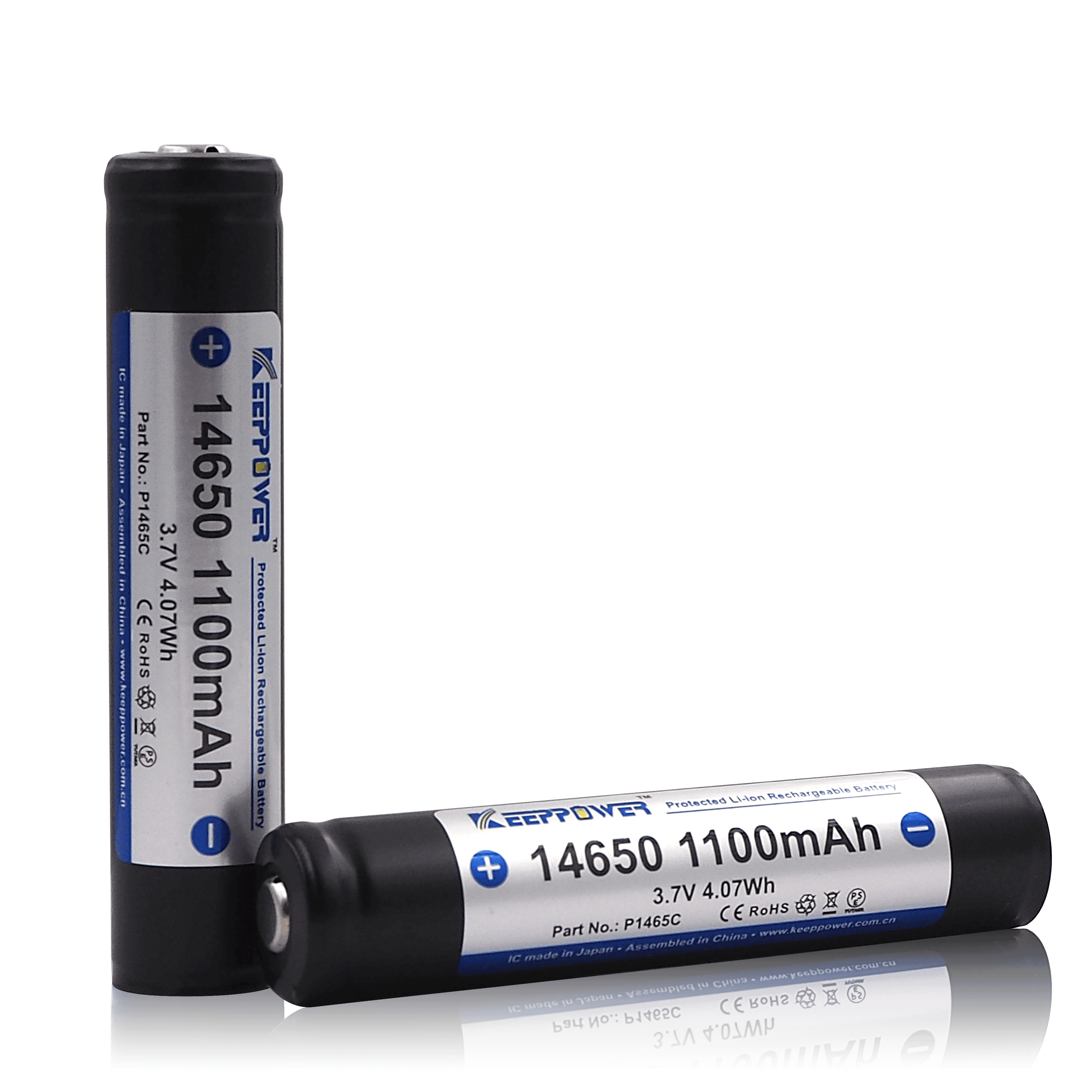
High-power electronic devices require more than a battery with a large capacity. Elektrisch gereedschap, drones, robots, high-output flashlights, industrial motors and wireless equipment may draw a high current during startup, acceleration or peak operation. If the battery cannot deliver this current, the device may experience voltage drops, reduced output, overheating or unexpected shutdown.
High-discharge lithium batteries are designed for applications that require strong current delivery. They can provide higher continuous current, short-duration peak current or improved performance under demanding loads. Echter, selecting a high-discharge battery requires more than looking for the largest capacity number.
Capaciteit, huidig, spanning, temperatuur, internal resistance, protection and pack configuration must be considered together. A battery with extremely high capacity may not be suitable for a device that requires high current. Op dezelfde manier, a high-discharge cell may not provide the longest runtime if the application has a low but continuous power demand.
Keeppower provides rechargeable lithium batteries, protected batteries, high-discharge cells, high-capacity batteries and customized battery packs for portable and industrial applications. Its product categories cover cylindrical cells, batterijpakketten, chargers and accessories.
This guide explains how high-discharge lithium batteries work and how to choose the correct solution for a demanding electronic device.
Inhoudsopgave
- What Is a High-Discharge Lithium Battery?
- Capacity and Discharge Current
- Continuous Current and Peak Current
- Why Internal Resistance Matters
- High-Discharge Battery Applications
- 18650 En 21700 High-Current Batteries
- Battery Pack Configuration
- Thermal Management and Safety
- How to Select a High-Discharge Battery
- Veelgestelde vragen
What Is a High-Discharge Lithium Battery?
A high-discharge lithium battery is designed to deliver a relatively large amount of current while maintaining acceptable voltage, temperature and stability.
Battery discharge capability is often described using amperes or the C-rate. The C-rate compares the discharge current with the battery capacity.
Bijvoorbeeld, a battery with a capacity of 3 Ah discharged at 3 A is operating at approximately 1C. If the same battery is discharged at 15 A, the discharge rate is approximately 5C.
A high-discharge cell is designed to support higher current without excessive voltage drop or overheating. Its performance depends on electrode design, internal resistance, scheikunde, current collectors, separators, thermal characteristics and manufacturing quality.
Customers can review Keeppower’s high-discharge battery category to explore battery options for high-current applications.
Capacity and Discharge Current
Capacity and discharge current describe different battery characteristics.
Capacity indicates how much charge a battery can store. It is commonly expressed in milliampere-hours or ampere-hours.
Discharge current indicates how quickly the battery can deliver that stored energy.
A high-capacity battery may provide long runtime but may not be able to deliver the current required by a powerful motor. A high-discharge battery may deliver strong current but have a lower capacity than a long-runtime cell.
The correct battery depends on the load profile:
- A sensor may require low current for a long time.
- A flashlight may require moderate current continuously.
- A power tool may require high current during startup.
- A drone may require high current during acceleration.
- A robot may require repeated current peaks from several motors.
The design team should calculate both energy and current requirements before selecting the battery.
Keeppower also provides cellen met hoge capaciteit for applications where longer runtime is more important than maximum current.
Continuous Current and Peak Current
Continuous current is the current that the battery can deliver for an extended period under specified conditions.
Peak current is a short-duration current that may occur during motor startup, acceleration, transmission or sudden changes in load.
Both values must be considered when selecting a high-discharge battery.
Bijvoorbeeld, a robotic device may draw 5 A during normal movement but 20 A when several motors start simultaneously. A battery that supports 5 A continuously but cannot handle the 20 A peak may cause the device to reset or shut down.
Important questions include:
- What is the average operating current?
- What is the maximum continuous current?
- What is the peak current?
- How long does the peak last?
- How often does the peak occur?
- What is the battery temperature during the peak?
- Does the protection circuit limit the current?
The manufacturer’s datasheet should be used to confirm current ratings. Different manufacturers may use different test conditions, so direct comparison requires careful reading.
Why Internal Resistance Matters
Internal resistance affects voltage drop and heat generation.
When current passes through the battery, internal resistance causes a voltage drop. The relationship can be simplified as:
Voltage drop equals current multiplied by internal resistance.
At high current, even a small increase in internal resistance can create a noticeable voltage reduction. The battery may appear fully charged, but the device voltage can fall sharply when the load increases.
Internal resistance also creates heat. The heat generated increases with the square of the current, meaning that doubling the current can produce approximately four times the resistive heating under similar conditions.
Internal resistance is influenced by:
- Cell chemistry
- Electrode design
- Temperatuur
- State of charge
- Age
- Manufacturing consistency
- Mechanical connections
- Welds and connectors
A high-discharge battery should therefore be evaluated as a complete system. The cell may have strong performance, but undersized wires, poor connectors or weak welds can still limit the final current.
High-Discharge Battery Applications
High-discharge lithium batteries are used in many demanding applications.
Elektrisch gereedschap
Drills, impact drivers, saws and other tools may create high startup and acceleration currents. The battery must support repeated current peaks without excessive heating.
FPV drones and UAVs
Drones require high current during takeoff, acceleration and rapid movement. The battery must also balance current capability with weight because additional battery mass reduces flight efficiency.
Keeppower provides custom battery packs for FPV drones and UAVs.
Robotica
Mobile robots, robotic arms and autonomous platforms may use multiple motors, actuators and communication systems. Their battery pack must support simultaneous current demand.
High-output flashlights
High-power lighting products can draw strong current from one or more cells. The battery must maintain stable voltage and manage heat inside a compact enclosure.
Electric mobility products
Small electric vehicles, scooters and other mobility systems may require high continuous current and repeated acceleration peaks.
Industrial equipment
Industriële instrumenten, motoren, pumps and actuators may require reliable current delivery in harsh operating environments.
Wireless transmitters
Communication devices may draw short bursts of high current during transmission. Battery voltage stability can influence signal reliability.
18650 En 21700 High-Current Batteries
Both 18650 En 21700 formats can be used in high-discharge applications, but they have different physical characteristics.
De 18650 battery is approximately 18 millimeters in diameter and 65 millimeters long. It is compact and supported by a broad ecosystem of holders and accessories.
De 21700 battery is approximately 21 millimeters in diameter and 70 millimeters long. Its larger volume may provide higher capacity or current capability, depending on the cell design.
| Design factor | 18650 | 21700 |
|---|---|---|
| Physical size | Smaller | Larger |
| Weight per cell | Lower | Higher |
| Potential capacity | Moderate to high | High |
| Pack energy | Flexible | Often higher per cell |
| Space requirement | More compact | Requires more room |
| Common use | Portable electronics and tools | High-power and long-runtime equipment |
The best format depends on the product enclosure, energy requirement, current demand and weight target.
KeepPower's classic protected battery range includes different cylindrical sizes, while its 21700 battery products can be considered for equipment that needs additional energy or current capability.
Battery Pack Configuration
High-power equipment often requires multiple cells connected in series, parallel or series-parallel configurations.
Series connections increase voltage. Parallel connections increase capacity and current capability.
Bijvoorbeeld:
- 2S1P increases voltage with two cells in series.
- 2S2P increases voltage and capacity.
- 4S2P creates a higher-voltage pack with two parallel cells in each series group.
- 6S3P can provide high voltage and high capacity for demanding equipment.
A pack design must consider:
- Cell matching
- Current sharing
- Protection circuit rating
- Draaddikte
- Connector rating
- Heat generation
- Cell balancing
- Mechanical support
- Oplaadmethode
For OEM equipment, a custom pack is usually preferable to assembling random cells. Keeppower provides customized battery packs for industrial devices, robots, drones, tools and other applications.
Thermal Management and Safety
High current generates heat. If the heat cannot escape, the battery temperature may rise and reduce performance or service life.
Thermal management can include:
- Heat-conductive materials
- Ventilation
- Thermal sensors
- Insulation from external heat
- Cell spacing
- Protective enclosures
- Current limits
- Temperature-based shutdown
- Appropriate wire and connector selection
The battery pack should be tested under the worst expected load, not only under average operating conditions.
Safety functions may include:
- Bescherming tegen overbelasting
- Bescherming tegen overontlading
- Overcurrent protection
- Kortsluitbeveiliging
- Over-temperature protection
- Cell balancing
- Fuse protection
- Temperature monitoring
A protection circuit that is too restrictive may interrupt normal operation. A protection circuit that is too weak may fail to protect the battery during abnormal conditions. The protection design must therefore match the cell and application.
How to Select a High-Discharge Battery
Use the following process when selecting a high-current lithium battery.
Stap 1: Measure the load profile
Record average current, continuous current, peak current and peak duration. Include motor startup, wireless transmission and other short-duration loads.
Stap 2: Define the voltage range
Determine the nominal voltage and the minimum and maximum voltage accepted by the equipment.
Stap 3: Estimate required capacity
Calculate the desired operating time and include energy losses, battery aging and temperature effects.
Stap 4: Select the cell format
Compare 18650, 21700 and other formats according to available space, weight and pack configuration.
Stap 5: Check current ratings
Confirm continuous and peak current ratings under the actual temperature and state-of-charge conditions.
Stap 6: Evaluate thermal performance
Estimate heat generation during maximum load. Check whether the enclosure can dissipate heat.
Stap 7: Select protection
Choose an appropriate PCM or battery management system. Confirm that its current rating is suitable for the load.
Stap 8: Confirm connectors and wiring
The connector, cables and welds must support the required current without excessive voltage drop or heating.
Stap 9: Test the complete pack
Test voltage stability, temperatuur, looptijd, piekstroom, charging and protection behavior.
Stap 10: Request engineering support
For a special application, provide detailed requirements to the battery manufacturer and request a sample pack before mass production.
Veelgestelde vragen
What is the difference between a high-discharge battery and a high-capacity battery?
A high-discharge battery is optimized for stronger current delivery. A high-capacity battery is optimized for storing more energy and extending runtime. Some batteries provide both features, but they are not automatically the same.
Are high-discharge lithium batteries suitable for power tools?
Ja. High-discharge batteries are commonly used in drills, zagen, impact drivers and other equipment with high startup or operating current.
Is een 21700 battery always more powerful than an 18650 batterij?
Nee. The physical size of the cell does not determine its exact current rating. The datasheet must be checked for capacity, continuous current and peak performance.
Can a protected battery be used in a high-current application?
It can be used if the protection circuit is rated for the required current. A protection circuit with a low current limit may interrupt the equipment during normal operation.
Why does the battery voltage drop under a heavy load?
Voltage drop is influenced by internal resistance, huidig, temperatuur, staat van lading, wiring, connectors and protection components.
Are high-discharge batteries suitable for drones?
They can be suitable for drones that require strong current during takeoff and acceleration. Gewicht, spanning, capacity and connector compatibility must also be considered.
Can Keeppower customize high-current battery packs?
Keeppower provides customized battery packs for different applications. The design can include cell configuration, connectoren, bescherming, wiring and dimensions.
What information is needed for a high-discharge battery quotation?
Provide nominal voltage, capaciteit, continuous current, piekstroom, peak duration, afmetingen, aansluiting, bedrijfstemperatuur, charging method and estimated quantity.
Conclusie
High-discharge lithium batteries are essential for equipment that requires strong and stable current delivery. Elektrisch gereedschap, drones, robots, high-output lighting and industrial systems all depend on batteries that can handle current peaks without excessive voltage drop or overheating.
The correct battery should be selected by evaluating the complete load profile. Capaciteit, spanning, internal resistance, thermal behavior, bescherming, wiring and connectors all influence the final performance.
Keeppower offers high-discharge batteries, cellen met hoge capaciteit, protected cylindrical batteries, 18650 En 21700 products, customized battery packs and related accessories. By combining the appropriate cell with a carefully designed battery management and thermal system, manufacturers can create safer and more reliable high-power products.