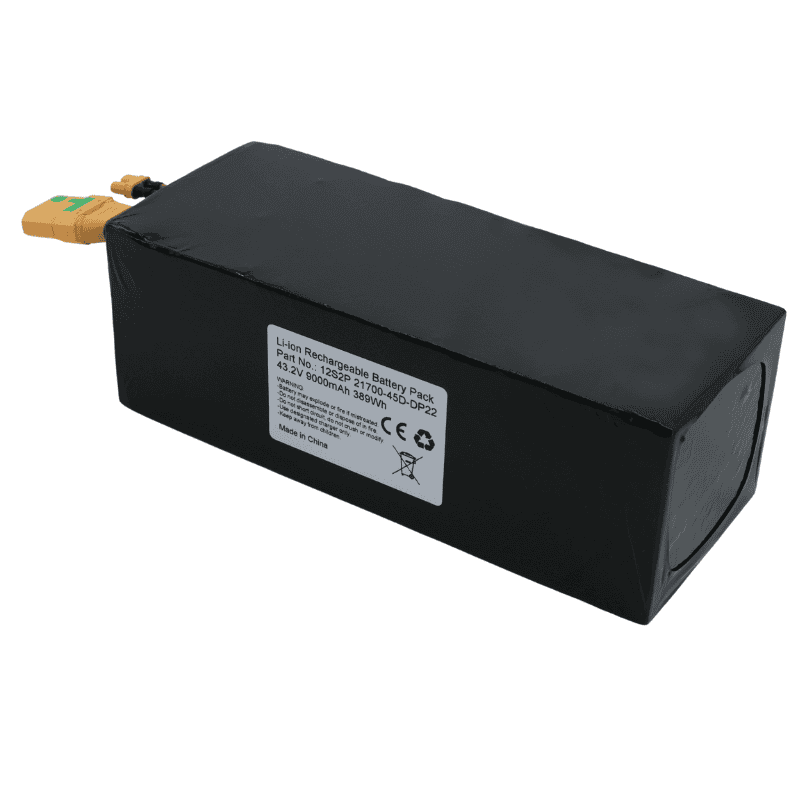
Medical devices depend on reliable power. Whether the equipment is a portable monitor, infusion system, diagnostic instrument, patient-worn sensor or emergency device, the battery must provide stable performance throughout the operating cycle.
A battery failure in an ordinary consumer product may cause inconvenience. In medical equipment, it can interrupt monitoring, delay treatment or create a serious operational problem. For this reason, battery selection must consider more than capacity and voltage. Engineers must evaluate safety, protection, chargement, température, mechanical design, service life and regulatory requirements.
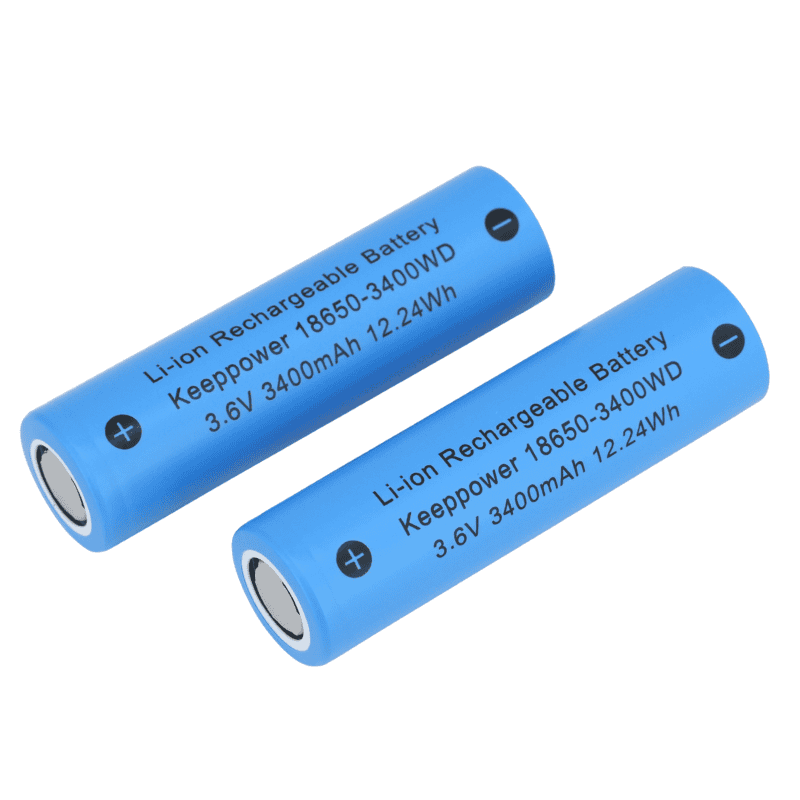
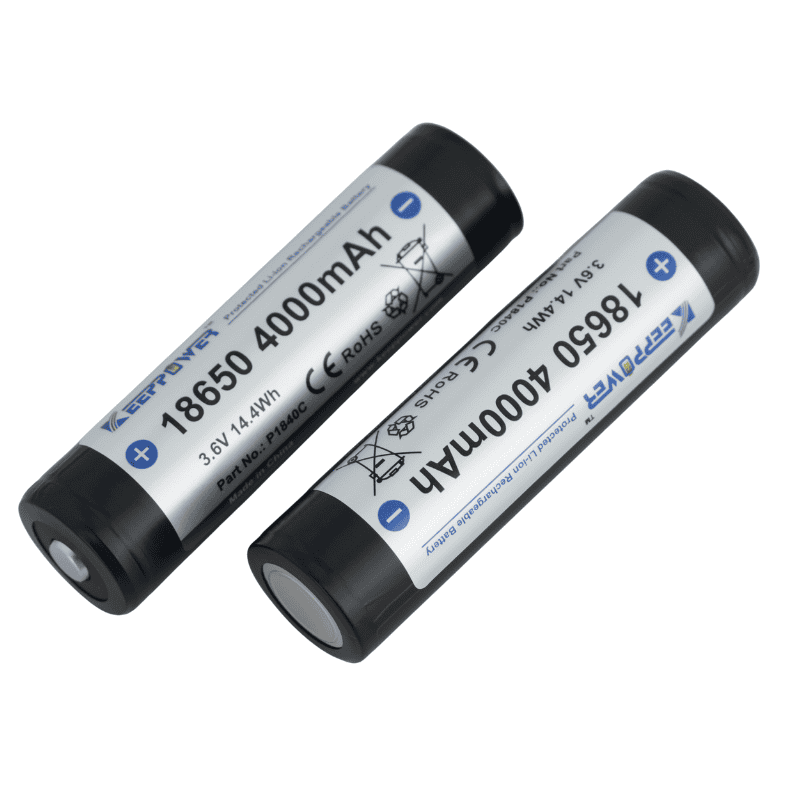
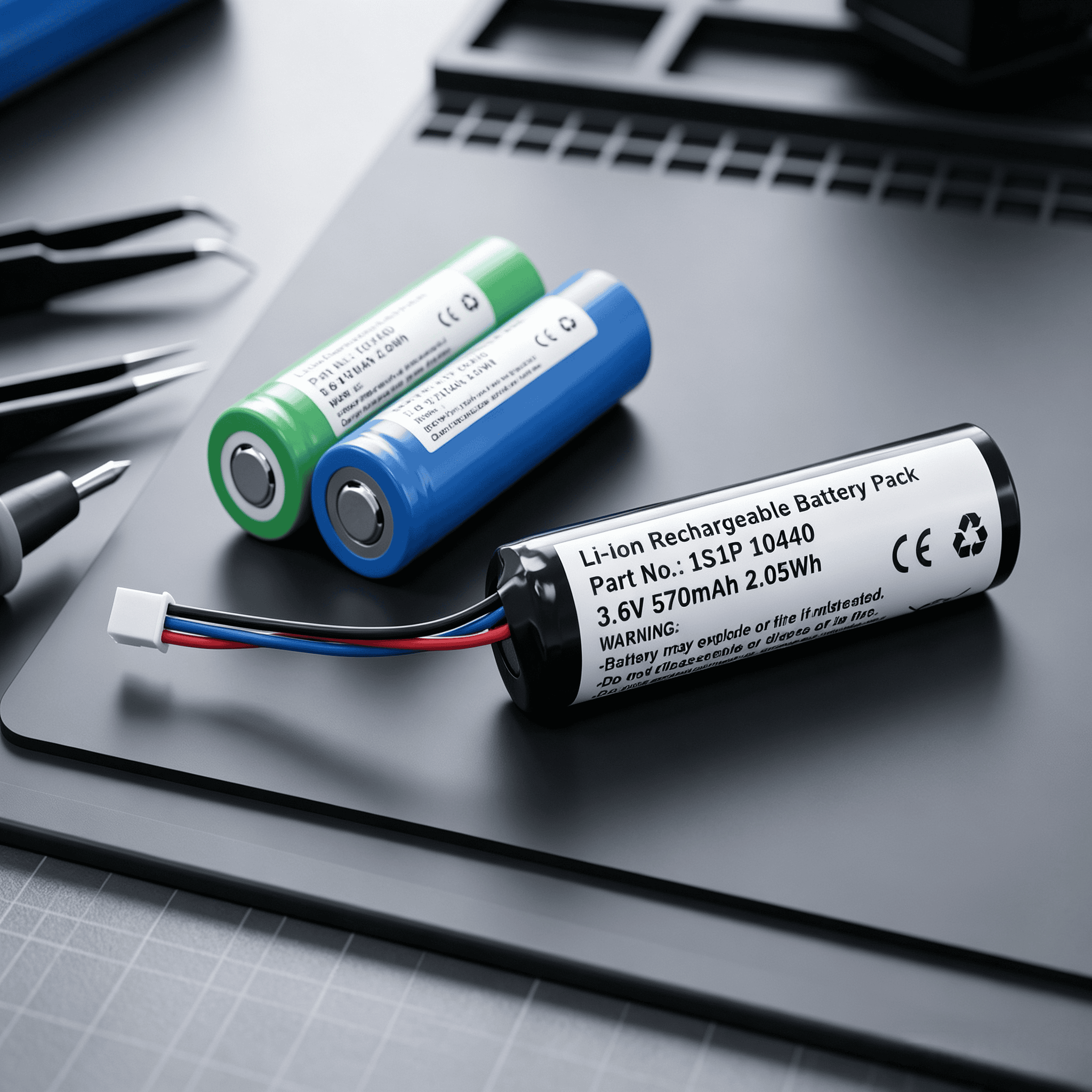
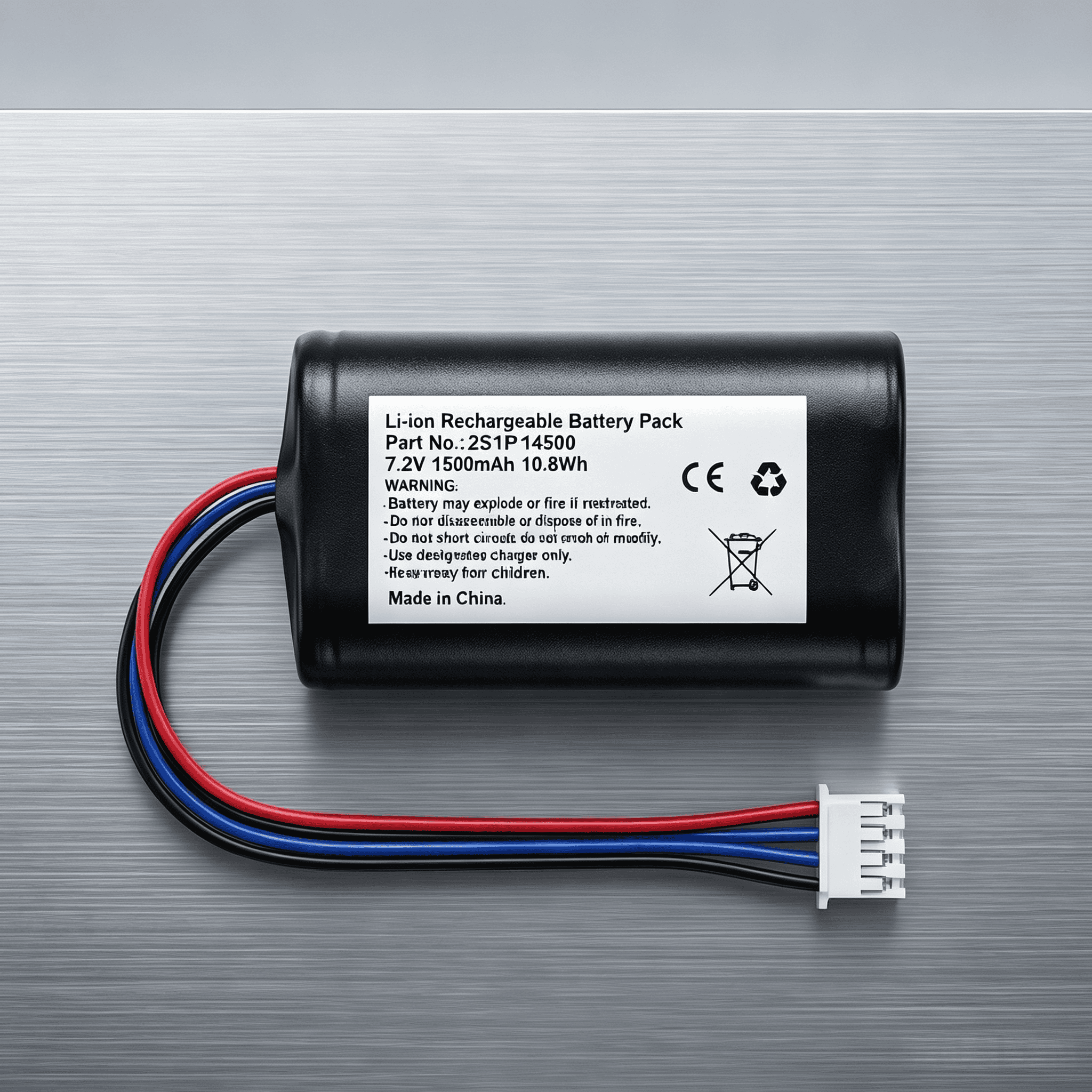
A medical device battery pack must also fit the product enclosure and communicate correctly with the charging or control system. In many cases, a standard cylindrical cell is only one part of a larger power solution. The final pack may require multiple cells, a protection circuit, a fuel gauge, temperature sensors, a custom connector, insulation and mechanical reinforcement.
Keeppower provides rechargeable lithium batteries, protected cells, batteries de grande capacité, custom battery packs and accessories for different equipment applications. Its product portfolio can support both standard battery selection and application-specific OEM development.
This guide explains how to choose a suitable battery pack for medical devices.
Table des matières
- Why Battery Selection Matters in Medical Devices
- Main Requirements for a Medical Device Battery
- Capacity and Operating Time
- Voltage and Battery Pack Configuration
- Protection and Battery Management
- Li-ion and LiFePO4 Chemistry Selection
- Temperature and Environmental Performance
- Charging and Maintenance
- Mechanical Design and Connectors
- Custom Battery Pack Development
- Foire aux questions
Why Battery Selection Matters in Medical Devices
Medical equipment often operates in environments where power interruption is unacceptable. Some devices are used in hospitals, while others are used in ambulances, clinics, laboratories, homes or outdoor emergency situations.
A medical device battery must perform reliably during:
- Normal operation
- Patient transport
- Sauvegarde d'urgence
- Repeated charging
- Long periods of standby
- Battery replacement
- Temperature changes
- Mechanical movement
- Frequent cleaning and handling
Portable equipment also requires a careful balance between battery capacity and weight. A large battery may extend operating time but make the device difficult to carry. A smaller battery may reduce weight but require more frequent charging.
The battery should therefore be designed as part of the complete medical device rather than selected at the end of the product development process.
Main Requirements for a Medical Device Battery
A suitable medical device battery pack should be evaluated according to several technical requirements.
| Requirement | Why it matters |
|---|---|
| Tension | Must match the electronic system |
| Capacité | Determines expected operating time |
| Discharge current | Supports normal and peak power demand |
| Protection | Helps prevent unsafe operating conditions |
| Durée de vie | Affects replacement frequency |
| Temperature range | Determines reliability in real environments |
| Size and weight | Influences product portability |
| Connecteur | Must match the device and charger |
| Charging method | Controls battery safety and usability |
| Certification | Supports regulatory and market requirements |
A complete specification should be prepared before requesting a battery quotation. This helps the battery manufacturer recommend a suitable cell, configuration and protection system.
Customers can begin by reviewing the Keeppower product center to understand available battery formats and product categories.
Capacity and Operating Time
Capacity is commonly expressed in milliampere-hours or ampere-hours. It indicates how much charge the battery can theoretically provide.
For a medical device, the required capacity should be calculated from the power consumption and expected operating time. A simple estimate can be made using the following relationship:
Operating time equals usable battery energy divided by average device power consumption.
In practice, the calculation must also account for conversion efficiency, battery aging, discharge conditions, standby current and reserve capacity.
Medical devices may have different power modes, y compris:
- Continuous monitoring
- Short periods of high power
- Low-power standby
- Wireless communication
- Screen operation
- Data storage
- Alarm operation
- Pump or motor activation
The average current may appear low, but the device may still require a high peak current when a pump, valve, motor or wireless transmitter starts.
Keeppower high-capacity battery products can be considered for devices that require extended runtime. Cependant, the highest-capacity cell is not always the correct choice. Capacity should be evaluated together with current capability, taille, weight and thermal performance.
Voltage and Battery Pack Configuration
The battery voltage must match the medical device’s electrical design. A single lithium-ion cell usually provides a nominal voltage around 3.6 V or 3.7 V, while a LiFePO4 cell is commonly around 3.2 V.
If a device requires higher voltage, cells can be connected in series. Par exemple, a 2S configuration uses two cells in series, while a 3S configuration uses three cells in series.
Parallel connections increase capacity and current capability. A 2P configuration uses two cells connected in parallel. Series-parallel arrangements combine both functions.
Common pack configurations include:
- 1S1P
- 2S1P
- 2S2P
- 3S1P
- 3S2P
- 4S2P
The pack configuration affects charger selection, protection circuit design, balancing requirements and final dimensions.
For medical devices, all cells within the pack should be matched carefully. Differences in capacity, internal resistance and state of charge can affect pack performance and service life.
Keeppower provides custom Li-ion 18650 blocs-piles et custom Li-ion 21700 blocs-piles for different voltage and capacity requirements.
Protection and Battery Management
Battery protection is essential in medical applications. A protection circuit module can help monitor and control battery operating conditions.
Important protection functions may include:
- Protection contre les surcharges
- Over-discharge protection
- Overcurrent protection
- Protection contre les courts-circuits
- Over-temperature protection
- Cell balancing
- Under-temperature charging protection
- State-of-charge monitoring
For a multi-cell battery pack, balancing is particularly important. Without balancing, one cell may reach a high voltage before the others, creating uneven stress within the pack.
A battery management system can also provide information about:
- Remaining capacity
- Battery voltage
- Charge current
- Discharge current
- Température
- Cycle count
- Battery health
- Fault conditions
The medical device manufacturer should define which protection and communication functions are needed. Some products only need basic protection, while advanced devices may require communication through a dedicated interface.
Keeppower battery accessories category includes PCM components, connecteurs, battery cases, spacers, USB adapters and USB cables that can support battery integration.
Li-ion and LiFePO4 Chemistry Selection
Both conventional Li-ion and LiFePO4 batteries may be used in medical equipment, but they offer different advantages.
Conventional Li-ion batteries typically provide higher energy density. This makes them attractive for portable devices where weight and size are important. They are widely available in 18650, 21700 and other cylindrical formats.
LiFePO4 batteries generally offer strong thermal stability and long cycle life. They may be suitable for equipment that requires frequent charging, long service life or stable performance over many cycles.
| Selection priority | Potentially suitable chemistry |
|---|---|
| Lowest weight | Conventional Li-ion |
| Taille compacte | Conventional Li-ion |
| Longue durée de vie | LiFePO4 |
| Frequent daily cycling | LiFePO4 |
| Haute densité énergétique | Conventional Li-ion |
| Strong thermal stability | LiFePO4 |
| Existing 3.7 V system | Conventional Li-ion |
| Existing 3.2 V system | LiFePO4 |
The final choice must consider the device’s charger, operating voltage and regulatory requirements. A LiFePO4 battery cannot simply replace a conventional Li-ion battery without checking the electrical design.
For safety-focused products, review the available Batteries LiFePO4 and compare their specifications with the medical device’s requirements.
Temperature and Environmental Performance
Temperature affects battery capacity, vitesse de chargement, internal resistance and service life.
Medical devices may be used in different environments, y compris:
- Hospital rooms
- Ambulances
- Operating rooms
- Clinics
- Laboratories
- Patient homes
- Outdoor emergency environments
- Refrigerated transport
- High-temperature storage areas
The battery specification should identify the permitted charging and discharging temperature range. Charging a lithium battery at an unsuitable low temperature can damage the cell. High-temperature operation can accelerate aging and reduce service life.
A medical device battery may also require:
- Temperature sensors
- Thermal insulation
- Heat dissipation
- Waterproofing
- Vibration resistance
- Shock protection
- Flame-resistant materials
- Secure internal mounting
For cold environments, manufacturers can review low-temperature battery solutions and discuss the expected charging and discharge conditions.
Charging and Maintenance
The charging system must be compatible with the selected battery chemistry and pack voltage.
A medical device may use:
- External desktop chargers
- Docking stations
- USB charging
- AC adapters
- Vehicle charging
- Internal charging circuits
- Backup charging systems
The charger should control current and voltage correctly. It should also prevent overcharging and respond to battery temperature or protection signals when required.
Some portable devices benefit from integrated USB charging. Keeppower provides USB protected battery products with USB Type-C and Micro USB interfaces.
Maintenance planning is also important. Medical device manufacturers should define:
- Recommended charging procedure
- Storage state of charge
- Battery inspection intervals
- Replacement criteria
- Maximum storage duration
- Disposal and recycling process
- User warnings and instructions
Clear instructions help reduce misuse and improve battery service life.
Mechanical Design and Connectors
A battery pack must fit securely inside the medical device. Mechanical design affects safety, reliability and user experience.
Important mechanical parameters include:
- Maximum length
- Maximum width
- Maximum height
- Cell orientation
- Connector position
- Cable length
- Mounting points
- Insulation thickness
- Case material
- Access for replacement
The connector should be selected according to current, tension, taille, locking mechanism and expected mating cycles. Medical equipment may require a connector that cannot be inserted incorrectly.
The battery pack should also avoid excessive movement inside the enclosure. Vibration and repeated impact can damage wires, welds or insulation.
For custom projects, the manufacturer should receive a drawing or three-dimensional model showing the available space. Photographs and hand measurements can help during early discussions, but final production should be based on controlled engineering drawings.
Custom Battery Pack Development
A custom battery pack is often necessary when a medical device has a unique form factor or specific electrical requirements.
A typical development process includes:
- Define voltage and capacity.
- Measure the available installation space.
- Identify continuous and peak current.
- Select the battery chemistry.
- Choose cell format.
- Design series and parallel configuration.
- Select protection and communication functions.
- Confirm connector and cable requirements.
- Review temperature and mechanical conditions.
- Build samples for testing.
- Complete electrical, mechanical and safety verification.
- Prepare production documentation.
Keeppower lists customized battery packs for medical devices and other specialized applications through its custom battery pack category.
When requesting a quotation, provide as much information as possible. Useful information includes the device name, tension, capacité, actuel, dimensions, connecteur, méthode de chargement, operating temperature and expected quantity.
Foire aux questions
What type of battery is commonly used in portable medical devices?
Rechargeable lithium batteries are widely used because they provide high energy density, low weight and flexible pack configurations. The correct chemistry depends on the device design.
Should a medical battery pack include protection?
Oui. A medical battery pack should include suitable protection and monitoring functions according to the application. These may include overcharge, trop décharger, surintensité, short-circuit and temperature protection.
Is LiFePO4 suitable for medical equipment?
LiFePO4 can be suitable when long cycle life, thermal stability and safety are important. The device must be designed for its voltage and charging requirements.
How do I calculate the required battery capacity?
Estimate the average power consumption and required operating time, then include conversion losses, vieillissement, reserve capacity and the expected discharge conditions.
Can a standard 18650 battery be used in a medical device?
It may be used when its electrical, mécanique, current and protection requirements match the device. A standard cell should not be selected solely because it fits physically.
Can Keeppower customize the connector and pack shape?
Customized battery packs can be designed with different configurations, connecteurs, wiring and dimensions. Provide the technical drawing and electrical requirements for evaluation.
What information is needed for a battery quotation?
Provide voltage, capacité, actuel, dimensions, connecteur, méthode de chargement, plage de température, protection requirements and estimated order quantity.
How can I contact Keeppower about a medical battery project?
You can contact Keeppower through its official contact page and submit the project’s technical requirements.
Conclusion
Selecting a battery pack for medical devices requires a complete evaluation of electrical, mécanique, environmental and safety requirements. Capacity alone cannot determine whether a battery is suitable.
The design team should confirm voltage, capacité, actuel, chargement, protection, plage de température, cycle de vie, connecteur, enclosure space and regulatory requirements before choosing a cell or pack.
Conventional Li-ion batteries may be suitable for compact portable equipment that requires high energy density. LiFePO4 may be attractive for applications that prioritize thermal stability and long cycle life. When standard cells cannot meet the design requirements, a customized battery pack provides a more controlled and reliable solution.
Keeppower offers protected batteries, cellules de grande capacité, high-discharge batteries, LiFePO4 packs, packs de batteries personnalisés, charging products and battery accessories. Its broad product structure allows medical equipment manufacturers to compare standard solutions and develop a battery system that fits the actual product.