目次
- 導入
- What Is a Custom Lithium Battery Pack?
- The OEM Custom Pack Process, Step by Step
- ステップ 1: Requirements Gathering
- ステップ 2: Engineering Proposal
- ステップ 3: Confirm Price, Quantity and Payment
- ステップ 4: Sample Approval
- ステップ 5: 量産
- What Can Be Customized in a Pack?
- Cell Chemistry and Form-Factor Selection
- 品質, Certifications and Factory Capabilities
- Typical Applications for Custom Packs
- How to Choose the Right OEM Battery Pack Supplier
- よくある質問
- What information do I need to provide to request a custom lithium battery pack quote?
- Which cell chemistry should my custom pack use?
- Does Keeppower offer private labeling?
- What certifications can I expect on a custom Keeppower pack?
- How is the pack protected electrically?
- How fast can I get a working sample?
導入

For product teams building medical devices, mobile robots, ドローン, 電動工具, marine electric mobility equipment or industrial instruments, an off-the-shelf cylindrical cell is almost never enough. A purpose-built custom lithium battery pack integrates cells, 保護電子機器, 相互接続, ワイヤー, connectors and mechanical housing into a single power solution sized exactly for the device. Done well, it lifts runtime, safety and reliability; done badly, it becomes the most expensive failure point in the product. This guide walks OEM buyers through the entire workflow at Keeppower – an industrial-grade lithium battery and custom battery pack manufacturer based in Dongguan, 中国 – from the first engineering conversation to mass production. Along the way we explain which parameters are customizable, how cells are selected, what certifications matter, and how to choose a supplier that will not let you down after the order is signed.
キープパワー (キープパワーテクノロジー株式会社, 限定) has specialised in industrial lithium battery solutions since 2008 and supplies OEM, private-label and custom battery pack programs to customers worldwide. The product line spans cylindrical cells from 10440 まで 26650, Li-polymer and LiFePO4 formats, and fully assembled カスタムリチウム電池パック, と 99 percent of its models built around lithium-ion chemistry.
What Is a Custom Lithium Battery Pack?
A custom lithium battery pack is an assembly of individual cells connected in a defined series and parallel configuration, combined with a protection circuit module (PCM), nickel or busbar interconnects, output wiring, a connector and, often, a mechanical enclosure. Because every device has a different voltage target, energy budget, discharge profile, available volume and connector requirement, packs are engineered rather than picked off a shelf.
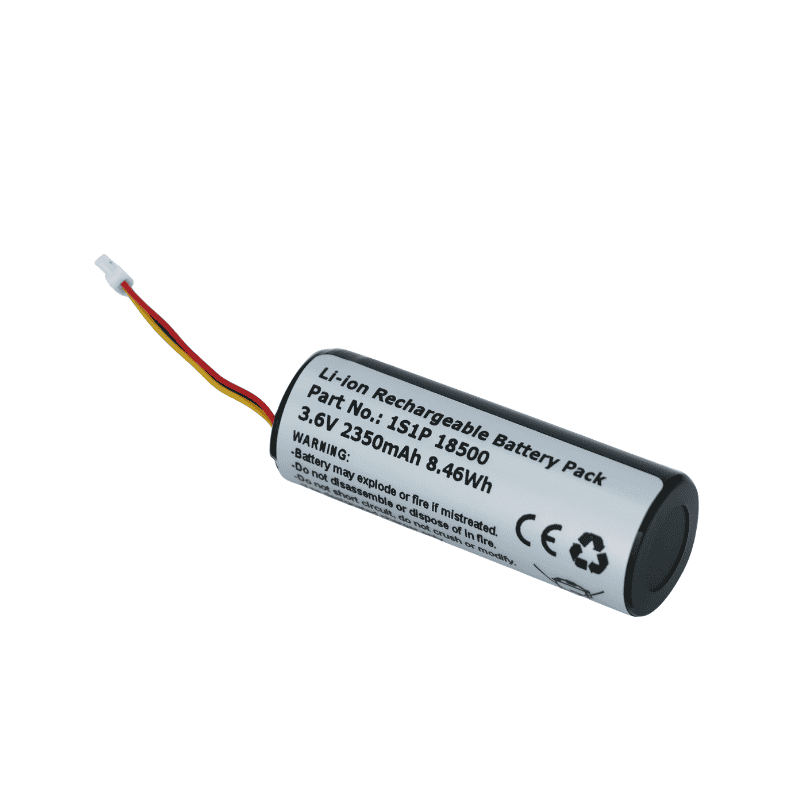
例えば, a small light tool may need a 3.7V single-cell pack with a JST connector, while an electric hydrofoil surfboard may need a 28.8V high-current pack with a rugged power connector. Keeppower manufactures both extremes under one roof. Read more on the company background in the 私たちについて section, or browse examples in the dedicated customized battery pack category.
The OEM Custom Pack Process, Step by Step
Keeppower publishes its ordering workflow on the お問い合わせ page, and the same five-step structure governs every OEM project. Knowing what happens at each stage helps you prepare materials on your side and predict timelines.
ステップ 1: Requirements Gathering
The engineering conversation starts with the electrical and mechanical envelope: target nominal voltage, 必要な容量, maximum continuous and pulse discharge current, charge current and method, maximum dimensions and weight, preferred connector and wire exit, environmental conditions (温度, 湿度, 振動), and the expected production volume. The more precise this brief is, the tighter the first quotation will be.
ステップ 2: Engineering Proposal
Keeppower engineers translate the brief into a concrete pack design: cell model and S/P topology (for instance 4S2P), PCM selection, interconnect method, connector choice and mechanical outline. Because the sales engineers average nine years of tenure, proposals are based on built and shipped packs rather than guesswork.
ステップ 3: Confirm Price, Quantity and Payment
Once the design direction is agreed, both sides confirm unit price, order quantity and payment terms. OEM pricing naturally depends on volume, cell model and the protection and connector options selected.
ステップ 4: Sample Approval
A prototype sample pack is built and shipped for your validation. This is the gate between design and production: you test runtime, discharge behaviour, 寸法, connector fit and thermal performance in the real device. Nothing enters mass production until the sample is approved by the customer.
ステップ 5: 量産
サンプル承認後, production runs under the factory ISO9001:2015 quality system. Keeppower reports that 95 percent of orders ship within one week, a record it has sustained for 15 年, and that hundreds of millions of its products are deployed worldwide. Practical guidance for buyers is also collected in the custom battery pack FAQ and buying guide.
What Can Be Customized in a Pack?
Keeppower states openly that capacity, 放電電流, 寸法, プライベートブランド, ワイヤー, connectors and packaging are all customizable. The table below summarises the parameters most OEM teams specify at the kick-off meeting.
| Customization Parameter | Typical OEM Specification |
|---|---|
| 公称電圧 | Set by series count, e.g. 3.7V single, 14.4V 4S, 28.8V 8S class packs |
| 容量 | Set by parallel count, e.g. 12Ah in a 4S2P 21700 パック |
| Max discharge current | Matched to cell discharge rating and PCM overcurrent setting |
| Physical dimensions | Cell arrangement, nickel spacing and enclosure sized to the device |
| Connectors and wires | Amass XT30U / XT60 / XT90, JST and other harness options |
| プライベートブランド | Customer branding on pack and packaging |
| Packaging | Retail or bulk packaging customized to distribution channel |
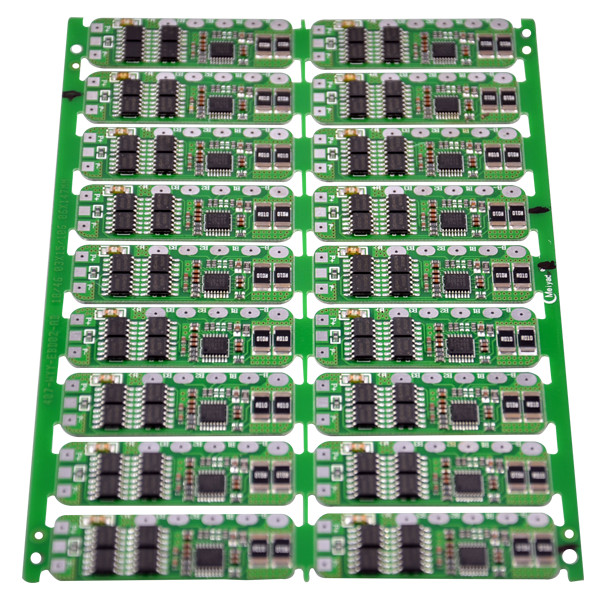
A representative example is Keeppower’s 4S2P 21700 14.4V 12Ah pack with Amass XT30U connector: 12Ah nominal (minimum 10Ah), built-in Japanese-IC protection, 以上 500 charge-discharge cycles and dimensions of 178.0 × 75.0 × 22.5 mm. Protection electronics for multi-cell packs come from the factory PCM protection board category. Before you freeze the design, our custom Li-ion battery pack design checklist helps close open items.
Cell Chemistry and Form-Factor Selection
Cell choice is the first big engineering decision, and Keeppower covers the mainstream options. 円筒形 18650 cells remain the default for compact, cost-sensitive packs; 21700 cells deliver more energy per cell and are the basis of high-energy packs. The factory also builds LiFePO4 battery packs where long cycle life and thermal stability matter, prismatic battery packs for high-voltage or space-efficient designs, and supports Li-polymer formats as well.
Practical pack families include 18650-based packs そして 21700-based packs. If you are undecided between the two cylindrical formats, the detailed 18650 対 21700 lithium-ion battery guide compares capacity, energy density and use cases. For longer-life systems, the LiFePO4 pack OEM selection guide on our blog explains when lithium iron phosphate is the right chemistry.
品質, Certifications and Factory Capabilities
Certifications are not decorative for OEM buyers – they decide whether your product can be sold in target markets and whether it survives transportation audits. Keeppower operates under ISO9001:2015 and lists UN38.3, IEC62133 (with CB), UL2054, CE, ROHS, 到着, MSDS, CCC, ETL, pse, GB and Regulation (欧州連合) 2023/1542 across its product line, per Keeppower product pages. In industry terms, UN38.3 is the transport safety testing framework for lithium cells and batteries, IEC62133 covers secondary cell safety requirements, と規制 (欧州連合) 2023/1542 is the European Union battery regulation that governs market access in the EU.
Operationally, the Dongguan factory ships cells and packs with Japanese-IC protection circuits on protected products, and its 95-percent-one-week shipment record is a direct answer to buyers whose development schedules are tight. The reasoning behind choosing customized packs for a product is expanded in our blog post on the advantages of customized battery packs.
Typical Applications for Custom Packs
Keeppower’s application categories show where its packs are deployed today. They include medical devices (see the 医療機器バッテリーパック選択ガイド), mobile and underwater robotics (see the robot battery pack design guide), sonar, Rov, AUV and underwater robot packs, FPV drone and UAV packs covered in depth by our FPV drone battery pack guide, electric hydrofoil surfboard packs for marine electric mobility, and battery packs for lights, 電動工具, radios and smart locks. Each application imposes a different balance of energy, 排出率, vibration tolerance and sealing.
How to Choose the Right OEM Battery Pack Supplier
Treat supplier selection as a technical evaluation, not a price auction. Five criteria matter. 初め, depth of experience: a manufacturer that has run OEM programs since 2008 brings cell-sourcing and welding know-how you cannot absorb in weeks. 2番, certification coverage: ask for the actual certificates relevant to your market. 三番目, sample discipline: a supplier that refuses to ship engineering samples before mass production is a risk. 4番目, コミュニケーション: dedicated sales engineers who understand discharge curves and PCM thresholds reduce costly iterations. Fifth, delivery reliability: consistent lead times protect your launch calendar. Keeppower expands this topic in how to choose a lithium battery supplier: the OEM guide.
Once a shortlist is ready, request a sample against your exact mechanical drawing and current requirement, and validate it in your device before committing to volume.
よくある質問
What information do I need to provide to request a custom lithium battery pack quote?
Provide the target nominal voltage and capacity, maximum continuous (and pulse) 放電電流, charge method and current, maximum dimensions and weight, preferred connector and wire exit, the intended application and environment, and your expected annual or batch quantity. The more complete this brief, the faster and more accurate the proposal.
Which cell chemistry should my custom pack use?
Lithium-ion cylindrical cells (18650/21700) offer the best energy density for most portable products. Choose LiFePO4 when long cycle life and thermal stability are priorities; Keeppower’s LiFePO4 packs are rated for over 1000 cycles and operation from -30 に +55 degrees Celsius on representative models. Choose prismatic or Li-polymer formats when the mechanical envelope demands flat or custom-shaped packs.
Does Keeppower offer private labeling?
はい. Private label branding on the pack and outer packaging is part of the accepted customization range, alongside capacity, 放電電流, 寸法, wires and connectors.
What certifications can I expect on a custom Keeppower pack?
Per Keeppower product pages, the product line carries UN38.3, IEC62133, UL2054, CE, ROHS, 到着, MSDS, CCC, ETL, PSE and GB, and is aligned with Regulation (欧州連合) 2023/1542, under an ISO9001:2015 quality system. Confirm the certificate set against your target market with the engineering team before tooling.
How is the pack protected electrically?
Multi-cell packs use a PCM protection board with overcharge, 過放電, overcurrent and short-circuit protection; protected single cells integrate a Japanese-IC protection circuit directly. Protection thresholds are matched to the cell model and your discharge requirement.
How fast can I get a working sample?
After the requirements and proposal are agreed, Keeppower builds an engineering sample for your approval before mass production. Keeppower reports that 95 percent of its orders ship within one week, which also helps replacement samples and repeat orders arrive quickly.