Table of Contents
- Why Solid-State Batteries Keep Making Headlines
- How Solid-State Cells Differ from Conventional Li-Ion
- Safety, Energy Density and Charging: The Promises
- Current Limitations and Real-World Status in 2026
- What It Means for Device and OEM Product Planning
- Choosing Power Today While Watching Tomorrow
- FAQ
- Are solid-state batteries available commercially yet?
- Will solid-state replace Li-ion completely?
- Should my product design wait for solid-state cells?
Why Solid-State Batteries Keep Making Headlines
Solid-state battery technology is one of the most closely watched trends in energy storage, appearing regularly in coverage of electric vehicles, portable electronics and industrial power. The appeal is understandable: a battery that uses a solid electrolyte instead of a liquid or gel electrolyte promises improvements in safety, energy density and charging behavior. For product designers and OEM buyers, however, the practical question is not whether solid-state cells are promising in the lab, but what they can deliver in real products today, and how battery sourcing should be planned while the technology matures.
This article looks at solid-state versus conventional lithium-ion batteries from a product-planning perspective: how the cells differ, what performance gains are claimed, where the technology still faces limits, and why today’s battery decisions should still be built on proven Li-ion, LiPo or LiFePO4 solutions. It joins our ongoing coverage of selected battery cells and custom battery packs.

How Solid-State Cells Differ from Conventional Li-Ion
A conventional lithium-ion cell uses a liquid or gel electrolyte that allows lithium ions to move between the cathode and anode during charge and discharge. A solid-state cell replaces that electrolyte with a solid material—often a ceramic, glass or polymer-based conductor. The anode may also differ: many solid-state designs target a lithium-metal anode, which can store more energy than the graphite anodes used in today’s Li-ion cells.
The change in electrolyte removes one of the failure modes associated with liquid electrolytes: the risk of leakage, flammable liquid and certain thermal-runaway pathways. Solid-state construction can also allow thinner, more flexible cell formats and potentially tighter packaging. These structural differences are the source of the technology’s long-term appeal, and they are why researchers and manufacturers continue to invest heavily in it.
Safety, Energy Density and Charging: The Promises
The most commonly cited advantages of solid-state batteries cluster around three areas. First is safety: a non-flammable solid electrolyte reduces the risk of electrolyte leakage and can improve thermal stability under abuse. Second is energy density: a lithium-metal anode paired with a solid electrolyte can potentially store more energy per unit weight and volume than today’s high-energy Li-ion cells. Third is charging speed: some designs target faster charging without the same level of electrode degradation seen in liquid-electrolyte cells.
If these gains reach production at scale, solid-state packs could enable longer-running portable devices, lighter drones and robots, and more durable electric mobility products. These are the same application areas where reliable power matters most, and where Keeppower already supplies drone and UAV packs, underwater robot packs and device packs.

Current Limitations and Real-World Status in 2026
Despite the progress reported in research and pilot lines, solid-state technology still faces commercialization hurdles. Manufacturing solid-state cells at consistent quality and competitive cost remains challenging, and issues such as electrode–electrolyte interface resistance, cycle life under real conditions, and large-scale production yield continue to be worked through. Most solid-state capacity today is concentrated in specific automotive and premium applications rather than broad availability for general OEM battery buyers.
| Aspect | Conventional Li-Ion (2026) | Solid-State (Emerging) |
|---|---|---|
| Electrolyte | Liquid or gel | Solid material |
| Supply chain | Mature, broad supplier base | Limited, scaling up |
| Energy density | Proven and optimized | Potentially higher in development |
| Safety margin | Good with proper protection | Promising abuse tolerance |
| Cost / availability | Established pricing and sourcing | Premium cost, limited volume |
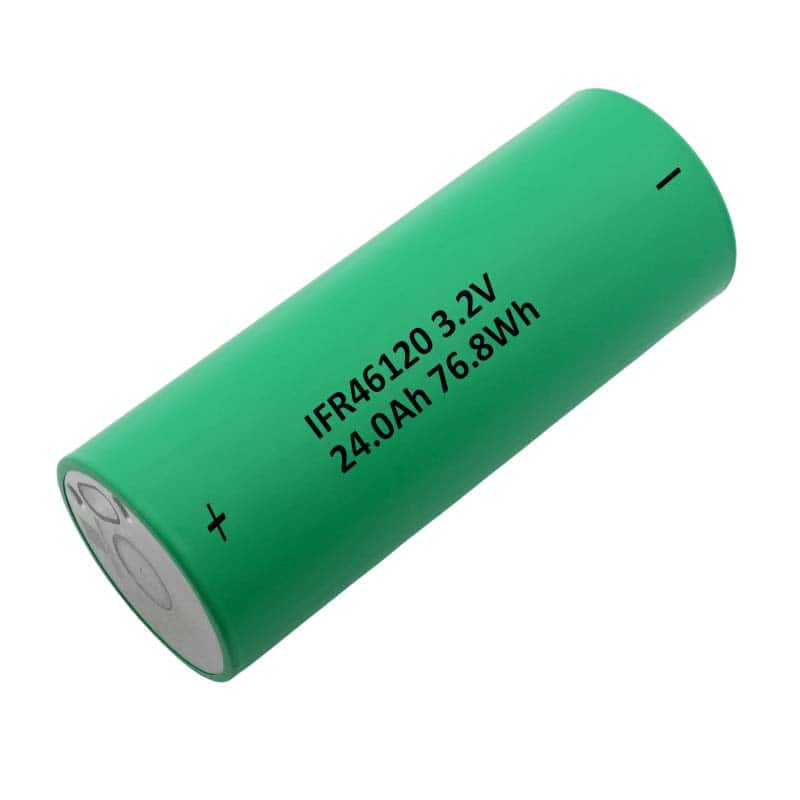
In practical terms, product teams cannot yet design around solid-state cells as a drop-in replacement for the 18650, 21700 or prismatic cells used in current devices. Conventional lithium chemistries remain the dependable, qualified choice for production today.
What It Means for Device and OEM Product Planning
For an OEM launching a product in the near term, the safest strategy is to specify proven cells and a well-built pack rather than wait for an unproven chemistry. That means choosing the right chemistry for the load, matching capacity and discharge to the duty cycle, and building in the protection, connectors and mechanical design that make a pack reliable. These fundamentals apply regardless of future cell technology.
Planning should also leave room to adapt. Where possible, design battery compartments and electrical interfaces so that future cell upgrades can be integrated without a full product redesign. Track solid-state progress through component suppliers and industry announcements, and reassess the technology when cells become available at the capacity, cost and volume your product requires. Our OEM pack guide outlines how custom packs are developed for current production needs.
It is also worth keeping expectations realistic about the pace of change. Battery chemistry improvements historically arrive gradually: a new material must prove reliable across thousands of cycles, survive abuse and temperature extremes, and be manufactured consistently at volume before it becomes a standard OEM option. Even when a laboratory cell shows impressive density or charging figures, translating that into a packaged cell with stable yield, competitive cost and a dependable supply chain takes years. Product roadmaps should therefore treat emerging chemistries as a future option rather than a current dependency, and avoid designing a product around a component that is not yet broadly shippable.
For buyers comparing battery suppliers, the near-term priorities remain unchanged: qualified cells, matched protection, robust connectors and wiring, controlled assembly and clear documentation. These are the factors that determine whether a pack performs in the field today, regardless of which next-generation chemistry eventually reaches the market. Keeping the mechanical enclosure and electrical interface flexible lets a product adopt newer cells later without a ground-up redesign when the technology matures.

Choosing Power Today While Watching Tomorrow
The battery market in 2026 is still dominated by refined Li-ion, LiPo and LiFePO4 chemistries, each with established suppliers, certification paths and field-proven reliability. High-discharge cells, protected cylindrical batteries, USB-rechargeable cells and custom packs continue to improve in energy density and safety through incremental engineering. Solid-state batteries remain a technology to watch, but not one that should drive near-term product decisions on its own.
Keeppower continues to manufacture custom lithium battery packs and supply qualified cells for industrial and consumer products, with quality control under an ISO9001:2015 framework and component certifications including UL, CB, IEC, UN, CCC, ETL, CE and RoHS where applicable. If you are planning a new product and need a dependable battery solution, discuss your voltage, capacity and connector requirements through the contact page.
FAQ
Are solid-state batteries available commercially yet?
Limited solid-state products exist in niche and premium applications, but broad commercial availability for general OEM and consumer products remains limited. Supply volume, cost and consistent manufacturing are still being scaled, so most buyers cannot yet specify solid-state cells as a standard production option.
Will solid-state replace Li-ion completely?
It is unlikely to replace conventional Li-ion overnight. Li-ion, LiPo and LiFePO4 remain mature, cost-effective and well-supported, and they continue to improve. Solid-state will likely coexist and displace specific high-value segments first, rather than replacing existing chemistries across the board.
Should my product design wait for solid-state cells?
For near-term production, no. Design around proven, qualified cells and a robust pack architecture, and keep the mechanical and electrical interface flexible enough to adopt newer cells later. Waiting for an emerging chemistry can delay a product without a clear near-term supply benefit.