Sisällysluettelo
- Why Chemistry Choice Drives Every Later Decision
- Li-Ion (NMC/NCA) Cylindrical Cells
- LiPo (Lithium Polymer) Packs
- LiFePO4 (LFP) Cells and Packs
- Side-by-Side Chemistry Comparison
- Matching Chemistry to Your Product
- FAQ
- Which chemistry is safest?
- Which chemistry lasts the longest?
- Can I mix chemistries in one pack?
Why Chemistry Choice Drives Every Later Decision
Choosing a battery chemistry is one of the earliest and most consequential decisions in product design. The chemistry determines the nominal voltage per cell, achievable energy density, purkauskäyttäytyminen, syklin käyttöikä, thermal stability, operating temperature range and ultimately the safety case for the end product. A chemistry that looks efficient on paper may weigh too much, run hot under load, or age faster than the product warranty allows. Understanding how Li-ion, LiPo and LiFePO4 compare helps engineers and OEM buyers avoid costly redesigns later.
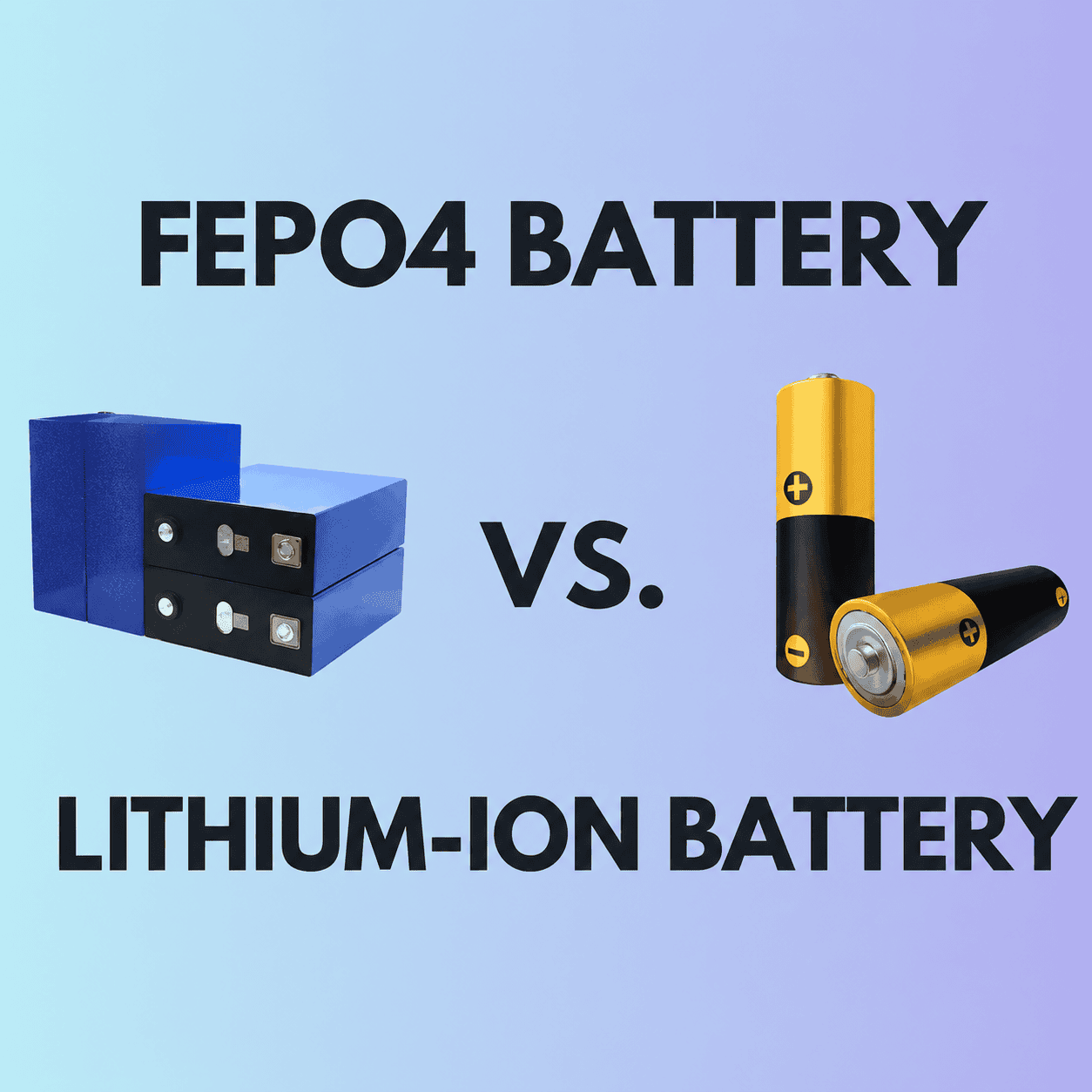
This guide compares the three most common rechargeable chemistries used in industrial and consumer products, and explains which applications favor each one. It complements our chemistry-specific articles on LiFePO4 vs Li-ion ja yleiskatsauksessamme LiFePO4-akut. For a broader view of how packs are built once the chemistry is settled, katso OEM mukautettu pakkausopas.

Li-Ion (NMC/NCA) Cylindrical Cells
The term Li-ion usually refers to lithium-ion cells built around nickel-manganese-cobalt (NMC) or nickel-cobalt-aluminum (NCA) kemia, commonly in 18650, 21700 and larger cylindrical formats. These cells offer a strong balance of high energy density, moderate discharge capability and a mature supply chain. They are the default choice where runtime, weight and compact size matter, from portable electronics and power tools to drones, medical devices and custom equipment packs.
Li-ion cells provide a nominal voltage around 3.6–3.7 V per cell and a flat discharge curve that keeps device voltage stable through most of the cycle. Protected Li-ion cells include an onboard protection board that guards against overcharge, ylipurkaus ja oikosulku, and they are widely used in 18650 ja 21700 form factors. Keeppower's selected cells range and suojattuja akkuja draw on this chemistry family.
On the downside, high-energy Li-ion cells can be more sensitive to abuse than LFP, and they require careful protection and thermal design. They are best suited to products where energy density and voltage stability are prioritized over maximum cycle count.
LiPo (Lithium Polymer) Packs
Lithium polymer (LiPo) packs use a polymer gel electrolyte and are often built into flexible or shaped pouch formats. They are popular in radio-controlled models, drones and some portable electronics because they can deliver very high discharge currents and can be arranged into thin, custom-shaped packs. LiPo cells share a similar nominal voltage to Li-ion and can be built into multi-cell packs for higher-voltage systems.
The trade-off is that LiPo packs can be less mechanically robust than hard-case cylindrical cells and require careful handling, balance charging and storage discipline. Turvotus, puncture and over-discharge are the principal failure modes, so a LiPo pack in an OEM product should be designed with a matching protection circuit and a durable enclosure. Keeppower’s custom pack team evaluates each application to decide whether a LiPo format, a hard-case Li-ion build or an LFP solution fits the brief.

LiFePO4 (LFP) Cells and Packs
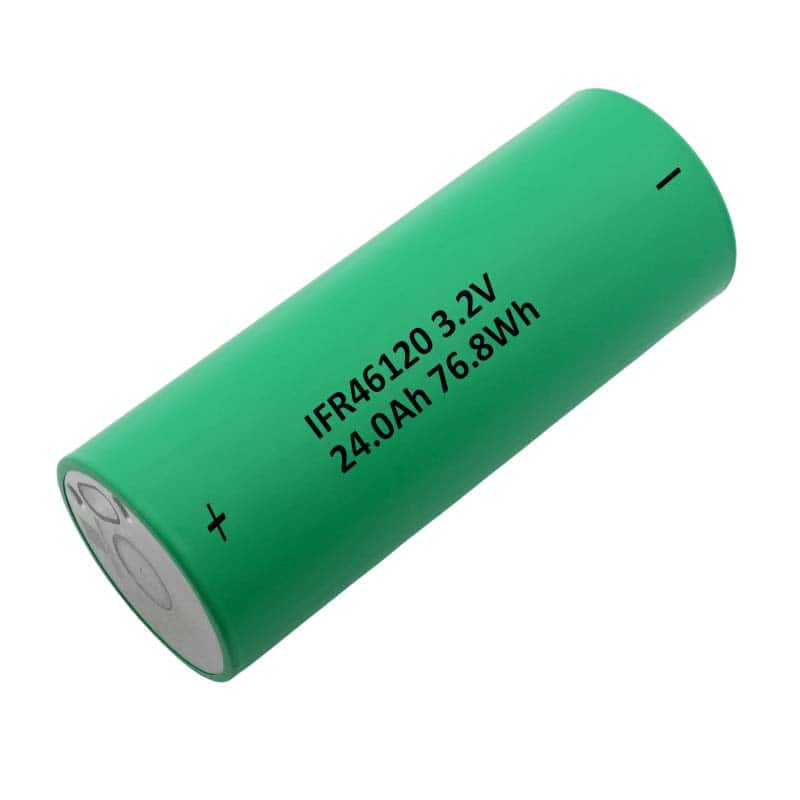
Litiumrautafosfaatti (LiFePO4, often shortened to LFP) chemistry uses a phosphate cathode. It is known for long cycle life, strong thermal stability and a high level of safety under abuse, along with a stable discharge voltage. LFP cells have a lower nominal voltage (noin 3.2 V) and lower energy density than NMC/NCA Li-ion, which means an LFP pack is typically heavier and larger for the same stored energy. They are widely chosen in energy storage, solar systems, leisure equipment and stationary or light-vehicle applications where cycle life and safety outweigh maximum compactness.
Keeppower supplies LiFePO4-akut and LFP cells in its suurikapasiteettinen kennoalue, and our LFP pack OEM selection guide details where the chemistry performs best. For a direct look at LFP against conventional Li-ion, katso LiFePO4 vs Li-ion comparison.
Side-by-Side Chemistry Comparison
| Attribuutti | Li-ion (NMC/NCA) | LiPo | LiFePO4 (LFP) |
|---|---|---|---|
| Nominal voltage per cell | ~3.6–3.7 V | ~3.7 V | ~3.2 V |
| Energiatiheys | Korkea | High to very high | Alentaa |
| Discharge capability | Kohtalainen tai korkea | Very high | Kohtalainen tai korkea |
| Pyörän elämä | Kohtalainen | Kohtalainen | Longest |
| Thermal / abuse safety | Kohtalainen | Lower margin | Highest |
| Tyypillisiä sovelluksia | Kannettava elektroniikka, työkaluja, pakkauksissa | RC models, droneja, shaped packs | Varastointi, leisure, stationary use |
No chemistry wins on every metric. The best choice is the one that satisfies the product’s limiting requirement first—whether that is runtime, huippuvirta, paino, cycle life or safety margin—and accepts the corresponding trade-offs elsewhere.

Matching Chemistry to Your Product
Start by listing the hard constraints of your device. If the product is weight- and size-sensitive, such as a wearable, sensor or compact medical device, high-energy Li-ion cylindrical cells are usually the starting point. If the load demands very high pulse current in a compact shaped form, a LiPo pack may be appropriate. If the product prioritizes longevity, stable operation and safety over maximum energy density, LFP is often the strongest candidate.
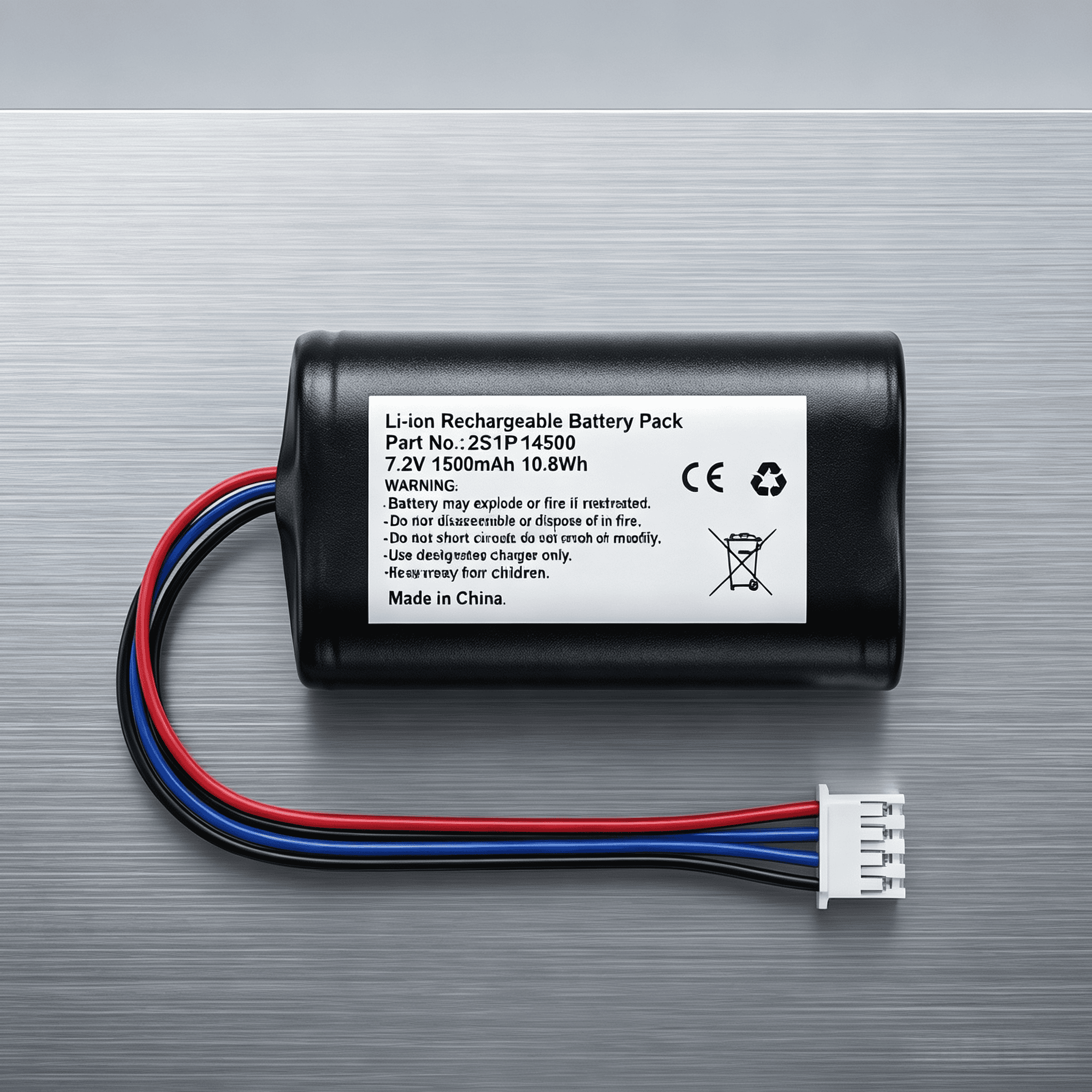
Beyond chemistry, the pack design must include the correct protection, connector and mechanical build. The PCM-suojalevyt ja liittimet selected for a pack are matched to the cell count and current profile, while the enclosure and spacers protect the cells in the field. Our articles on PCM vs BMS ja protected vs unprotected batteries explain how these protection choices affect reliability.
If you are sourcing a custom pack for an OEM product, the next step is to define the target voltage, kapasiteetti, purkausvirta, operating temperature and enclosure constraints. Keeppower can then recommend a chemistry and build a matched prototype; reach out through the yhteydenottosivu with your requirements.
Cost is the final consideration that often shapes the decision. Chemistry pricing varies with material composition and supply conditions, and it should be weighed against the service life and reliability the product requires. A cheaper cell that fades quickly or needs earlier replacement can cost more over the product’s lifetime than a slightly more expensive chemistry matched to the duty cycle. Reviewing energy density, syklin käyttöikä, safety and total cost together—rather than selecting on capacity alone—leads to a more defensible battery choice.
FAQ
Which chemistry is safest?
LiFePO4 generally offers the strongest thermal and abuse tolerance, while protected Li-ion and LiPo packs can be safe when built with proper protection circuits, quality cells and adequate enclosures. Chemistry is only one part of safety: the protection board, johdotus, charging design and mechanical build all determine how the pack behaves under fault conditions.
Which chemistry lasts the longest?
LFP cells typically deliver the longest cycle life, especially when cycled at moderate depths of discharge and charged conservatively. Li-ion and LiPo cycle lives are shorter by comparison, though protected cells and good charging habits extend their service. Our guide to cycle life and shelf life explains the variables that affect longevity.
Can I mix chemistries in one pack?
Ei. A battery pack should always use cells of the same chemistry, capacity and discharge rating, matched for internal resistance. Mixing chemistries or unmatched cells creates imbalance, uneven heating and shortened life. Contact a pack manufacturer early in the design process so the chemistry and cell selection are aligned with your product requirements.