Table des matières
- What “Haute vidange” Actually Means
- Continuous vs Peak Discharge Current
- C-Rate and Internal Resistance Explained
- 18650 contre 21700 for High-Current Loads
- Matching the Cell to the Device
- Protection, Wiring and Pack Build
- FAQ
- What happens if I use a low-drain cell in a high-current device?
- Is a higher mAh cell always better?
- How do I know a cell’s real discharge rating?
What “Haute vidange” Actually Means
High-drain batteries are cells designed to deliver strong current without excessive heating or voltage sag. The label appears often in listings for power tools, drones, flashlights and high-current electronics, but it is sometimes used loosely. Choosing a cell for a high-current load requires looking past the marketing nameplate and examining the discharge rating, internal resistance and how the cell behaves under sustained load. This guide explains the metrics that matter and how to match an 18650 ou 21700 cell to the device it will power.
It complements our existing high-discharge lithium battery guide et le high-discharge cell range stocked by Keeppower. For chemistry and format background, voir le 18650 contre 21700 comparison.

Continuous vs Peak Discharge Current
Discharge current is described in two ways. Continuous current is the sustained current the cell can deliver without overheating or exceeding its safe limits over time. Peak (or pulse) current is the short-term surge the cell can handle for brief intervals, such as motor startup or throttle acceleration. A cell may tolerate a high pulse current for a few seconds but not sustain it indefinitely, so both figures must be checked against the device’s load profile.
Mismatch in either direction causes problems. A cell rated below the device’s continuous draw will heat up, sag under load and age quickly; one over-rated for the application may carry unnecessary cost and weight. Review the motor or electronics specification for both steady current and startup surge, then select a cell whose continuous and peak ratings sit comfortably above those figures.
C-Rate and Internal Resistance Explained
The C-rate expresses current relative to cell capacity. A 1C discharge on a 3000 mAh cell is 3 UN; a 5C discharge on the same cell is 15 UN. High-drain cells are designed to sustain higher C-rates without excessive voltage drop. Internal resistance is the other key metric: lower resistance means less heat generated inside the cell and better voltage stability under load. Cells with high internal resistance warm up faster and deliver less usable power at high current.
These two traits explain why a high-capacity cell is not automatically a high-drain cell. A cell optimized for energy density may hold more mAh but cannot deliver the pulse current a power tool or drone needs, while a high-drain cell trades some capacity for stronger current handling. The right balance depends on whether runtime or peak performance is the limiting requirement. Notre capacity vs discharge rate article works through this trade-off in more detail.

18650 contre 21700 for High-Current Loads
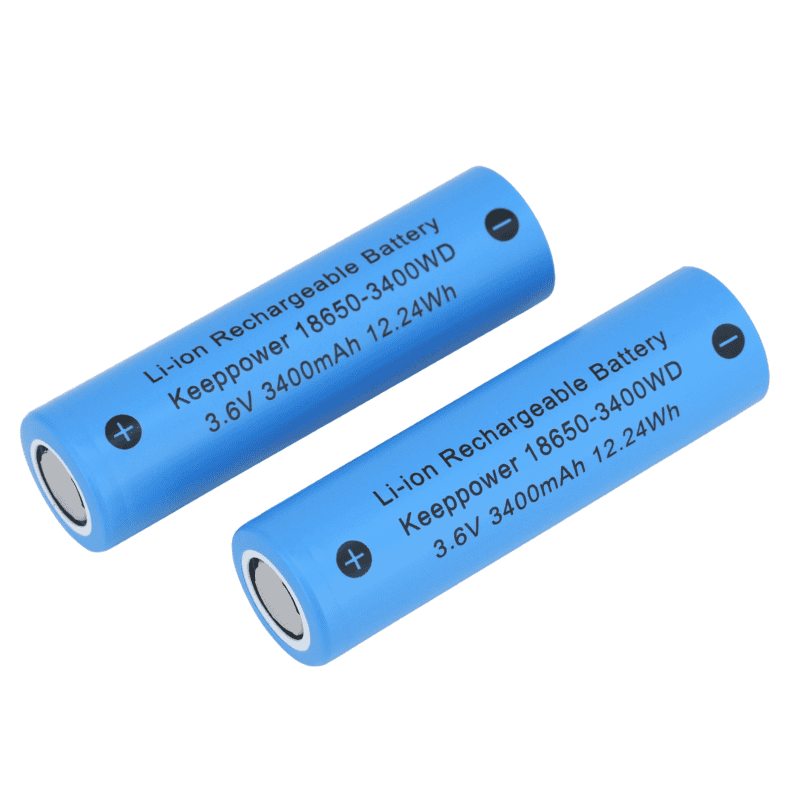
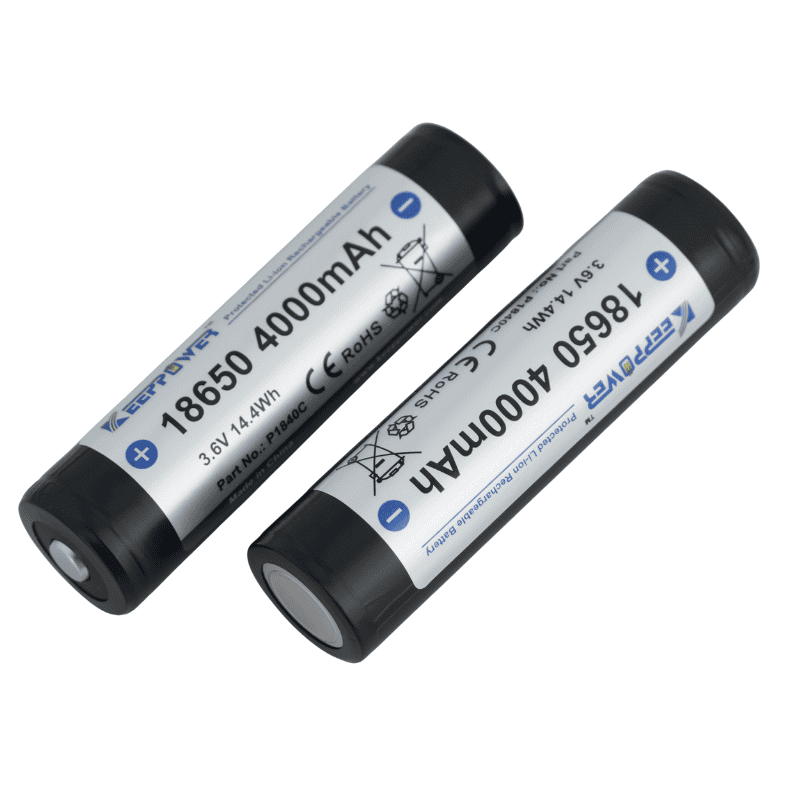
Les deux 18650 et 21700 cells are widely used in high-current packs. Le 18650 est un compact, proven format with a broad supplier base, tandis que le 21700 is larger and typically offers higher capacity and, in high-drain variants, strong current delivery. The choice between them depends on the pack’s space envelope, weight target and required runtime, not on a fixed preference for one size.
| Facteur | 18650 Cellule | 21700 Cellule |
|---|---|---|
| Taille / poids | Plus petit, plus léger | Larger and heavier |
| Capacité typique | Modéré | Plus haut |
| High-current use | Available in high-drain variants | Available in high-drain variants |
| Meilleur ajustement | Compact devices, tight compartments | Durée d'exécution plus longue, higher-energy packs |
Keeppower 18650 et 21700 protected batteries cover general-purpose use, tandis que le high-discharge cell category lists cells selected for high-current applications. Example cells in the range include the Samsung INR18650-30Q 18650 cellule et le Samsung INR18650-35E 18650 cellule, each suited to different current and runtime priorities.
Matching the Cell to the Device
Start the selection from the device’s electrical profile: maximum continuous current, peak surge, tension nominale, required runtime and operating temperature. Compare those figures against the cell’s continuous and peak ratings, internal resistance and capacity. For a power tool or motor-driven device, prioritize discharge headroom; for a sensor or low-drain gadget, capacity and shelf life may matter more. Avoid choosing a cell by brand or appearance alone, and verify the datasheet ratings before committing to a design.
Environmental conditions add another layer. Cells pushed hard in hot weather or enclosed spaces generate more heat, and cold conditions reduce available capacity. Where the device sees wide temperature swings, considérer low-temperature cells and review the cold-weather guide for guidance.
Thermal behavior separates good high-drain cells from marginal ones. Under load, internal resistance converts part of the electrical energy into heat, and a cell that runs warm under sustained current will degrade faster and deliver less stable voltage. A quality high-drain cell keeps that heat under control, and the pack design avoids trapping heat around the cell block. When evaluating options, look for documented continuous and pulse ratings rather than a single “high drain” étiquette, and ask whether the supplier can provide the cell datasheet and any relevant test reports for the intended application.
It also helps to think about the whole power path, not just the cell. A high-drain cell paired with an undersized connector, thin wire or a weak protection board can still become a bottleneck or a heat point. The pack should be treated as a system: cell rating, interconnect resistance, connector current rating, protection thresholds and enclosure ventilation all contribute to whether the final product holds up under repeated high-current use. This system-level view is how Keeppower approaches custom packs for drones, tools and other high-current equipment.

Protection, Wiring and Pack Build
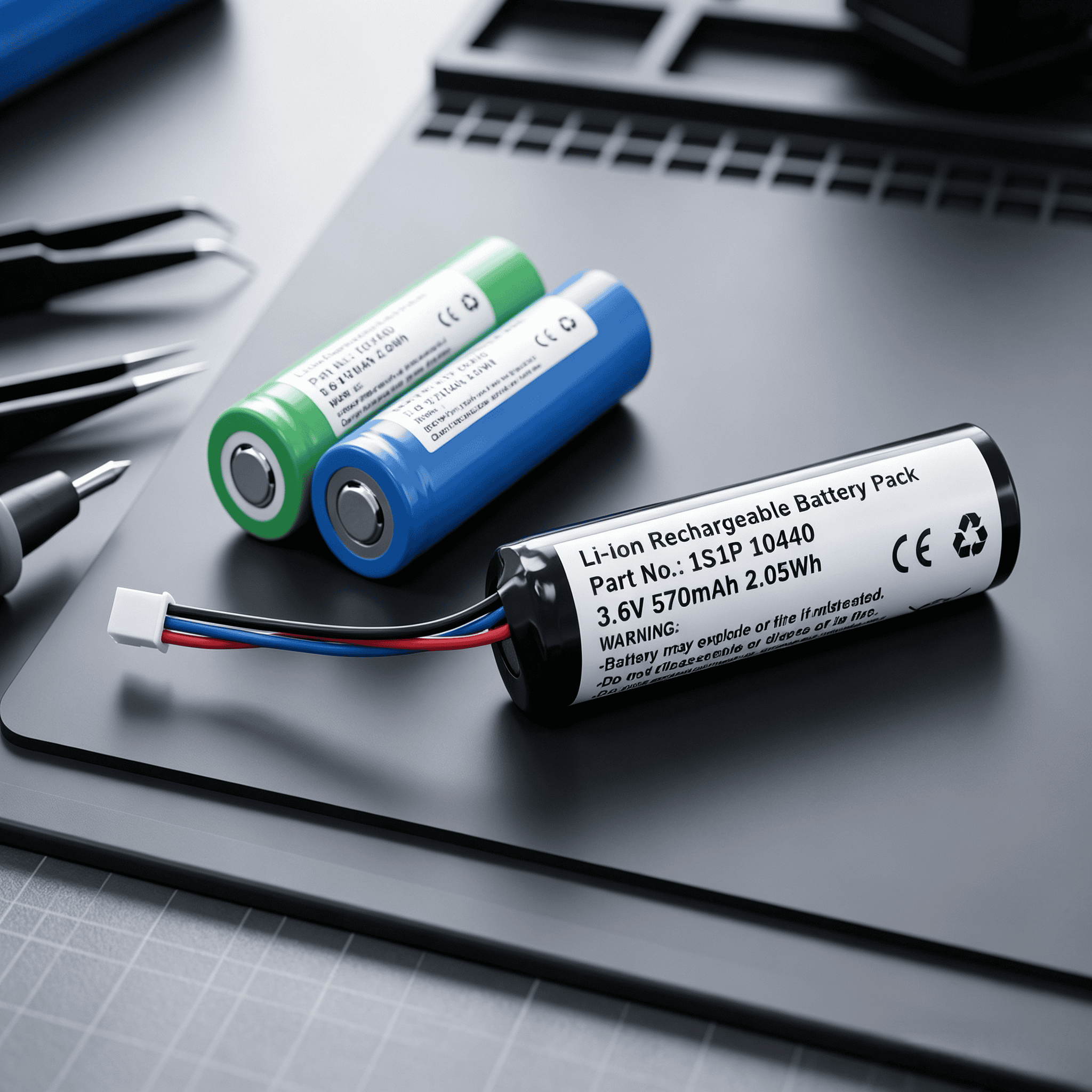
A high-drain cell does not make a safe pack by itself. The pack still needs a protection board matched to the series count and current profile, connectors rated above the maximum continuous current, and wiring sized to keep resistance and heating low. Interconnects and welds must carry the high current without hot spots, and the enclosure should hold the cells firmly under vibration. Notre PCM vs BMS guide covers protection selection, et le connector guide explains current-rated power connectors used in high-current packs.
Pour les produits OEM, Keeppower supplies high-discharge cells and builds custom lithium packs matched to the load, with connectors, protection and mechanical layout chosen for the application. If you are specifying power for a high-current device, share your current, voltage and runtime requirements through the page de contact for a tailored recommendation.
FAQ
What happens if I use a low-drain cell in a high-current device?
The cell will tend to heat up, sag in voltage under load, and lose usable runtime. Over repeated use this can accelerate aging and, in extreme cases, create a safety risk. Always match the cell’s continuous and peak discharge ratings to the device’s current demand rather than relying on capacity alone.
Is a higher mAh cell always better?
Non. Capacity and discharge capability are separate traits. A higher-mAh cell may deliver longer runtime but lack the pulse current a high-current device needs, while a lower-capacity high-drain cell may perform better under load. Choose based on which requirement—runtime or current handling—is limiting for your product.
How do I know a cell’s real discharge rating?
Rely on the manufacturer datasheet for continuous and peak current, internal resistance and recommended charge rates, rather than seller listing claims. Reputable suppliers provide these specifications, and packs should be validated under the actual load before production. If a rating is unclear, ask the supplier for the datasheet and test documentation before selecting the cell.