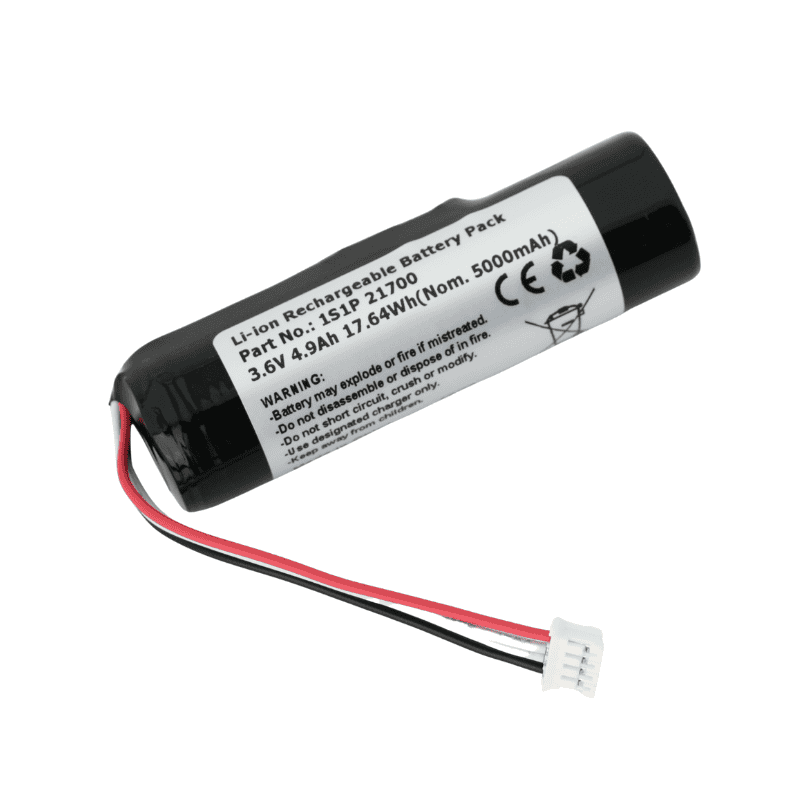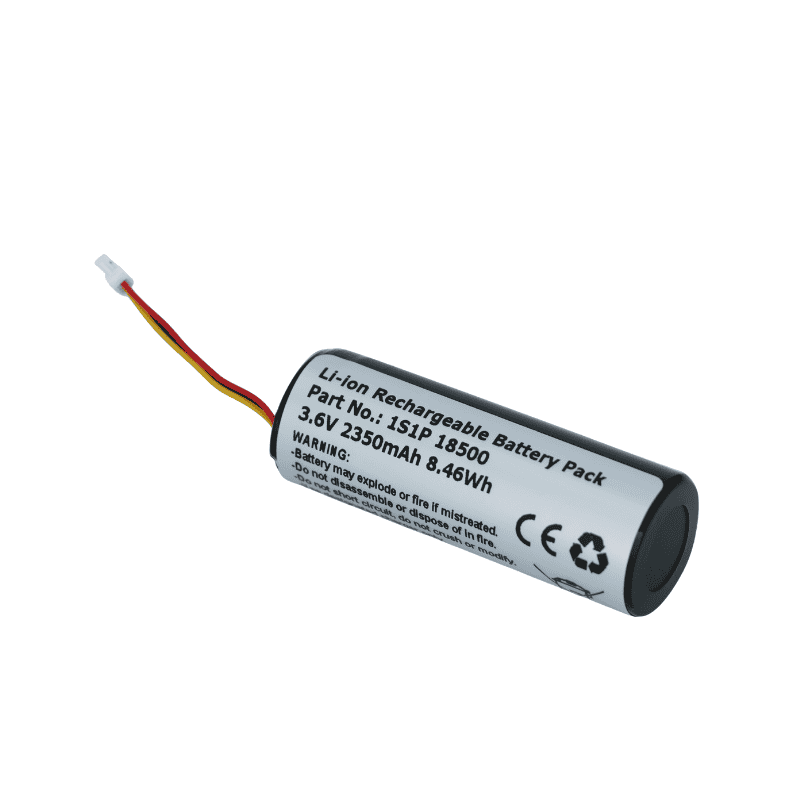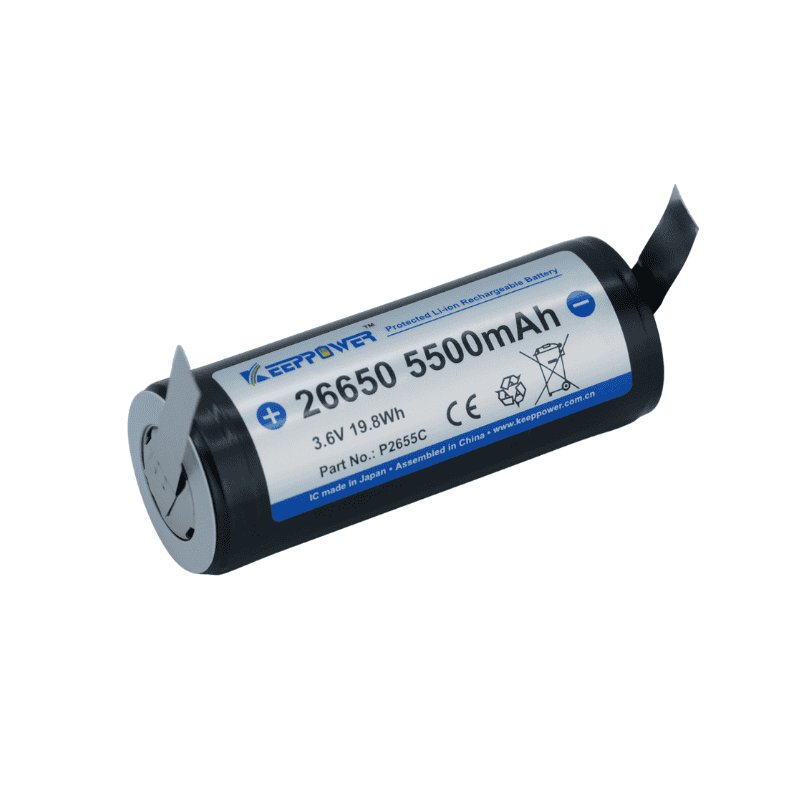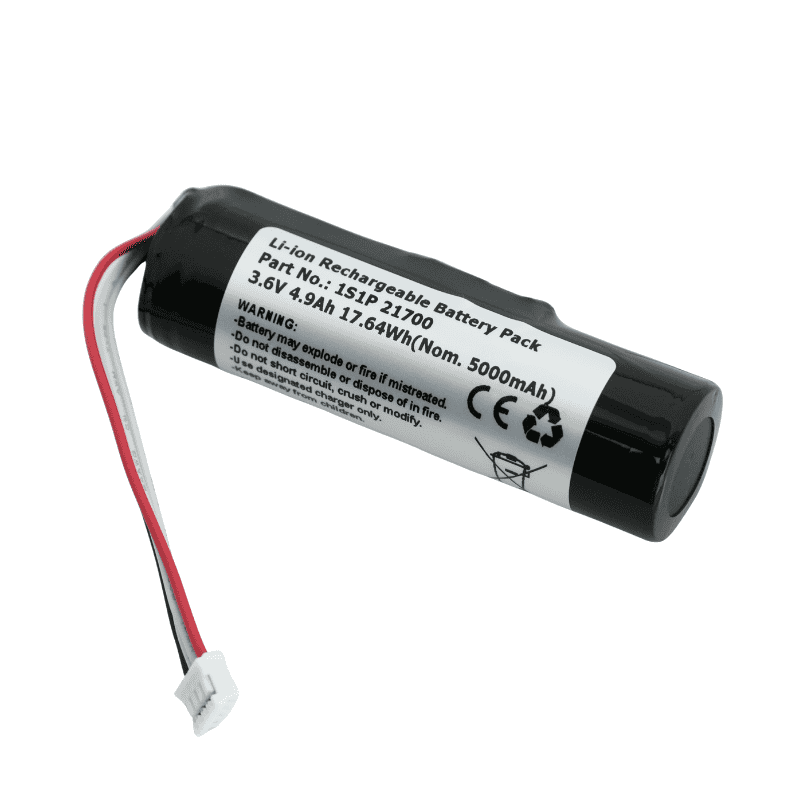
目次
- Power Demands of Portable Security and Lighting Devices
- 容量, Pulse Current and Shelf Life for Smart Locks
- Batteries for Two-Way Radios and Communication Gear
- 懐中電灯, Night Vision and Tactical Lighting Power
- コネクタ, Protection and Mechanical Choices
- Selecting a Supplier for Device Battery Packs
- よくある質問
- How long do batteries last in a smart lock?
- Why does a flashlight drain its battery so quickly?
- Can I use a protected cell in a low-drain device?
Power Demands of Portable Security and Lighting Devices
スマートロック, 双方向ラジオ, night-vision units, outdoor GPS devices and tactical flashlights share a common design challenge: they spend long periods drawing very little current, then need a short burst of higher current for a motor, transmitter, LED or sensor. A battery chosen only for nameplate capacity can disappoint in the field, because the pulse current, shelf life and stable voltage under load matter as much as total mAh. This guide explains how to match batteries and custom packs to these kinds of portable devices, drawing on Keeppower’s experience building power for lights, ツール, radios and smart-lock products.
The devices in this category are covered by the light, 道具, radio and smart-lock pack range, alongside our broader カスタマイズされたバッテリーパック. For background on cell chemistries, を見てください chemistry comparison guide.
容量, Pulse Current and Shelf Life for Smart Locks
A smart lock spends most of its time in standby, drawing minimal current, then briefly powers a bolt motor, RFID reader or wireless module. This means two battery traits are critical: shelf life (how well the cells hold charge while idle) and pulse current capability (whether the pack can supply the startup current without voltage sag). A high-capacity cell that cannot deliver pulse current may cause the lock to behave erratically even when it appears charged.
Shelf life is especially important for security hardware, where a dead battery means a locked-out user. Cells that retain charge well over months, paired with a protection circuit that prevents deep discharge, give the longest dependable service. When specifying a smart-lock pack, define the standby current, peak motor current, expected duty cycle and operating temperature so the cell and protection can be matched accordingly. Related guidance appears in our notes on cycle life and shelf life.

Batteries for Two-Way Radios and Communication Gear
Two-way radios combine transmit current with standby receive time, so their battery needs a balance of capacity and discharge headroom. During transmission the radio draws its highest current, and the pack must maintain voltage through those bursts without overheating. A radio pack also benefits from robust connectors that stay seated during movement and from a form factor that fits the radio’s battery compartment securely.
Communication devices often operate outdoors in varying weather, so the pack enclosure should resist moisture and vibration, and the contacts should be protected against corrosion. Keeppower’s custom packs for radio and communication gear follow the same principles used in our 18650 パック そして 21700 パック, with connectors and protection selected to the load.
懐中電灯, Night Vision and Tactical Lighting Power
High-performance flashlights draw substantial current through the LED, and their battery must sustain that discharge without sag or excessive heat. Tactical and weapon-light users also value a compact, high-drain cell that delivers steady brightness through the runtime. Night-vision devices, red-dot sights and similar optics add their own requirements: 低い自己放電, stable voltage and reliable operation in the field.
Choosing between high-capacity and high-discharge cells depends on the balance between runtime and current demand. High-capacity cells favor longer runtime, while high-discharge cells handle peak current more comfortably; 私たちの high-drain cell guide explains continuous versus peak discharge in detail. Keeppower stocks 高放電セル そして 大容量セル for these lighting and optics applications.

コネクタ, Protection and Mechanical Choices
Portable devices are handled, carried and bumped repeatedly, so the pack’s mechanical and electrical details matter. The output connector must match the device’s inlet and lock securely, wiring gauge should keep voltage drop low, and cell holders or spacers prevent movement inside the enclosure. あ PCM protection board guards against over-discharge and overcharge, which is particularly valuable in devices that may be left idle for long periods.
| Device Type | Primary Battery Requirement | Key Selection Focus |
|---|---|---|
| Smart lock | 長い保存期間, pulse current for motor | 低い自己充電, deep-discharge protection |
| Two-way radio | Capacity plus transmit-current headroom | Stable voltage, secure connector, rugged build |
| Flashlight / light | Sustained high discharge | High-drain cell, heat-aware design |
| Night vision / optics | Stable voltage and low self-discharge | Reliable shelf life and consistent output |
| Outdoor GPS | Balanced runtime and durability | Weather-resistant enclosure, matched capacity |
Accessories used in these packs include power and signal connectors, バッテリーケース そして spacers and holders, all chosen to fit the cell count and enclosure. の connector guide compares common formats by current rating.
Environmental resilience is another shared requirement across these devices. Outdoor and security gear is exposed to moisture, dust, temperature swings and repeated handling, so the pack enclosure and contacts should be built to resist corrosion and vibration, and the cells should hold their charge through long idle periods. A pack that looks acceptable on a bench test can still fail early in the field if its seals, connectors or cell spacing are not designed for real-world use. Reviewing these details during specification, rather than after a prototype returns with issues, saves time and avoids rework later.

Selecting a Supplier for Device Battery Packs
When sourcing batteries for security, communication or lighting products, look for a supplier that can match cells to your duty cycle, provide protection and connector options, and support consistent quality across production. Certifications and quality systems are part of that evaluation: Keeppower manufactures under an ISO9001:2015 framework and sources components where UL, CB, IEC, そして, CCC, ETL, CE and RoHS documentation is available. 私たちの OEM pack guide outlines the typical order and qualification workflow.
If you are developing a smart lock, radio, flashlight or outdoor device, define the voltage, 容量, pulse current, connector and environmental conditions early. You can discuss the project and request a custom pack quotation through the お問い合わせページ.
ついに, consider the total cost of ownership rather than the cell price alone. A pack that combines suitable pulse current, dependable shelf life and a rugged build will usually require fewer replacements and fewer support contacts over the product’s life, which matters for security and communication hardware that is costly to service in the field. Matching the battery to the actual duty cycle, validating it under representative load, and choosing a supplier that stands behind consistent quality are the most effective ways to keep device battery problems out of customer hands.
よくある質問
How long do batteries last in a smart lock?
Battery life depends on standby current, motor pulse current, lock frequency and cell shelf life. A well-matched pack with low self-discharge and deep-discharge protection can last many months before replacement. Avoid cells rated only for high capacity if the lock’s motor needs strong pulse current, since voltage sag can cause unreliable operation.
Why does a flashlight drain its battery so quickly?
High-power LEDs draw substantial continuous current, and brightness levels, runtime and heat all affect drain. Using a high-discharge cell matched to the LED current helps maintain brightness and avoid sag, while conservative brightness settings extend runtime. Check our high-discharge battery guide for cell selection details.
Can I use a protected cell in a low-drain device?
はい. Protected cells include a protection board that guards against over-discharge and overcharge, and they work well in low-drain devices where safety and dependable cutoff matter. The protection adds a small amount of resistance and size, but for most portable products this is an acceptable trade-off; を見てください protected vs unprotected guide for the full comparison.